Therapy
EDUCATIONAL THERAPY
Educational therapy involves improving impaired functions (auditory-linguistic, visual-spatial and kinaesthetic-motor) that form the essential basis for developing reading and writing skills.
Educational therapy is intended for children and young people aged 10 and over with specific learning difficulties:
- difficulties in mastering reading skills (dyslexia);
- difficulties in mastering correct spelling (dysorthographia);
- poor graphic quality of handwriting (dysgraphia);
and for younger children (aged 5 and over) who are found to be at risk of the difficulties listed above.
SENSORY INTEGRATION THERAPY
Sensory integration is the process through which stimuli coming both from a person's own body and from the external environment are organised. During therapy, the child does not practise specific skills but strengthens the nervous processes that underlie them. The skills themselves emerge naturally as a result of improved functioning of the central nervous system. Sensory integration therapy takes the form of "scientific play". Its main aim is to provide a controlled amount of sensory stimuli through a variety of exercises. The therapy is intended primarily for preschool and early school-age children who experience problems in everyday functioning resulting from delayed psychomotor development, concentration deficits or psychomotor hyperactivity.
EDUCATIONAL THERAPY IN MATHEMATICS
The aim of the therapy is to improve mathematical competence and gradually bring the child's mathematical skills and knowledge into line with the requirements of school.
The therapy is intended for children aged 5 to 11 with specific difficulties in learning mathematics and is tailored to the child's current level of knowledge and skills, as well as to the level and structure of their mathematical abilities.
It is a therapy for children who have difficulties with, among other things:
- remembering and distinguishing digits;
- counting and ordering numbers correctly;
- understanding mathematical symbols and diagrams;
- memorising the multiplication tables;
- choosing the right operation for a word problem;
- learning geometry.
WARNKE METHOD THERAPY
Warnke therapy is one of the forms of support for children provided as part of educational therapy sessions. It is designed to support work with children (aged 7 and over) who have difficulties with correct reading, writing, speaking and processing of auditory stimuli. Impaired automatisation of auditory, visual and motor processing is identified as one of the causes of these difficulties. This is why Warnke method therapy involves training the automatisation of hearing, vision and motor skills. For this purpose, a special device is used during the sessions to stimulate appropriate responses to auditory and visual stimuli.
SOCIAL THERAPY CLASSES
The classes are intended for children (grades 4-8) and young people and address:
- difficulties in functioning within a peer group;
- withdrawal and shutting oneself off;
- difficulties in recognising, naming and expressing emotions, and in coping with emotions, stress and aggression;
- tension and anxiety related to the situation at school/at home;
- low self-esteem, lack of belief in one's own abilities, lack of motivation to take on new challenges, lack of assertive behaviour;
- so-called behavioural problems, not following generally accepted norms and group rules (overstepping other people's boundaries).
The classes take the form of structured group meetings made up of appropriately selected games, play activities and exercises with elements of psychoeducation. The essence of the meetings is gaining positive social experiences, developing cooperation and conflict-resolution skills and promoting assertive attitudes in an atmosphere of safety, mutual trust and connection.
TOMATIS METHOD THERAPY
Tomatis method therapy is auditory attention and concentration training that involves exercising the muscles of the ear. It aims to shorten the time needed to analyse sound information, as a result of which memory, concentration and attention improve and, consequently, so does the ability to learn effectively.
Tomatis method therapy is intended for children:
- with speech disorders (stammering, delayed speech development, articulation disorders),
- with voice disorders,
- with dyslexia,
- with emotional disorders,
- with attention and concentration disorders,
- with autism,
- with ADHD.
NEUROFLOW
This is active auditory training that improves listening and comprehension processes in children with auditory processing disorder (APD), a disorder in the functioning of neurons. Neuroflow Auditory Training makes it possible to improve the efficiency of higher auditory functions, which is achieved by increasing the automatisation of auditory attention and concentration.
Neuroflow is recommended as a form of support for children:
- with specific learning difficulties of auditory origin;
- with delayed speech development or a long-standing articulation disorder;
- who have difficulty understanding instructions and appear to have hearing problems (despite normal hearing test results).
BIOFEEDBACK THERAPY
EEG biofeedback (short for "biological feedback") is a technique in which the child can improve how their brain works by skilfully reading signals from their own body.
During training, with the help of specialist equipment (through audiovisual games of the EEG-BFB system), the child learns how to control their brain activity in order to strengthen the brain waves responsible for positive states (for example, focused attention and relaxation) and reduce the unfavourable ones (those causing, for example, stress, anxiety and tension). The method helps to increase flexibility of thinking, creativity and memory, improves mood and self-esteem, reduces stress and improves sleep. Through repetition (a minimum of 10 sessions), the effects of the training are consolidated for a long time.
At the Centre, biofeedback training is available to children:
- with attention deficit hyperactivity disorder (ADHD),
- at risk of dyslexia,
- with impaired concentration,
- with learning process disorders (ADD).
An EEG examination is required before starting biofeedback therapy.
SPEECH THERAPY
The goals of the therapy are to improve verbal communication appropriately for the child's age, eliminate irregularities in the functioning of the articulatory apparatus (e.g. malocclusion, incorrect swallowing), train the breathing pattern, elicit correct speech sounds, consolidate the elicited sounds in active speech and enrich active and passive vocabulary.
Speech therapy is available to children aged three and over and to young people.
The therapy covers:
- delayed speech development (of various aetiologies),
- disordered speech development,
- articulation disorders (dyslalia),
- impaired phonemic hearing (devoicing of voiced consonants).
Speech therapy consultations and advice are also available for children from the age of 1 until they finish school.
PSYCHOMOTOR THERAPY
The main aim and most important effect of psychomotor therapy is the activation of integrative processes that affect the child's proper functioning in all areas of development.
The therapy is intended for children aged 3-7 (possibly up to the age of 10) with the following developmental difficulties:
- delayed speech development,
- difficulties in performing motor activities
- (lack of coordination, balance problems, etc.),
- lateralisation disorders,
- delayed development of body schema and lack of spatial orientation,
- learning difficulties,
- behavioural disorders,
- difficulties in making contact with others.
FAMILY THERAPY
Family therapy is conducted within the psychodynamic approach and is process-oriented. The therapy is intended for families experiencing problems in marital and parental functioning.
The decision to start any type of therapy is preceded by an assessment carried out by a specialist from the Centre.
A child's initial eligibility for assessment is determined by the psychologist assigned to their educational institution.
COGNITIVE BEHAVIOURAL PSYCHOTHERAPY
The aim of the therapy is to change beliefs and dysfunctional behaviours and to develop new ways of coping with problems. Cognitive behavioural therapy assumes that the emotions a person experiences and their behaviour depend on cognitive processes. During therapy, the client and the therapist work together to identify the problem in terms of the relationship between the person's thoughts, beliefs and behaviours. The main emphasis of the therapy is on the "here and now", that is, on current problems. The goal of the therapy and its duration are set individually, together with the client.
Cognitive behavioural therapy is generally classed as a short-term therapy. It usually involves 20 to 60 therapy sessions. The length of the therapy depends on the problem reported and on its goal.
At our Centre, this therapy is offered primarily to young people with anxiety disorders and mood disorders. The therapy is preceded by several assessment meetings with the person concerned and by meetings with their parents. The decision on whether therapy is possible and on its goals is made together with the therapist. Therapy sessions take place once a week.
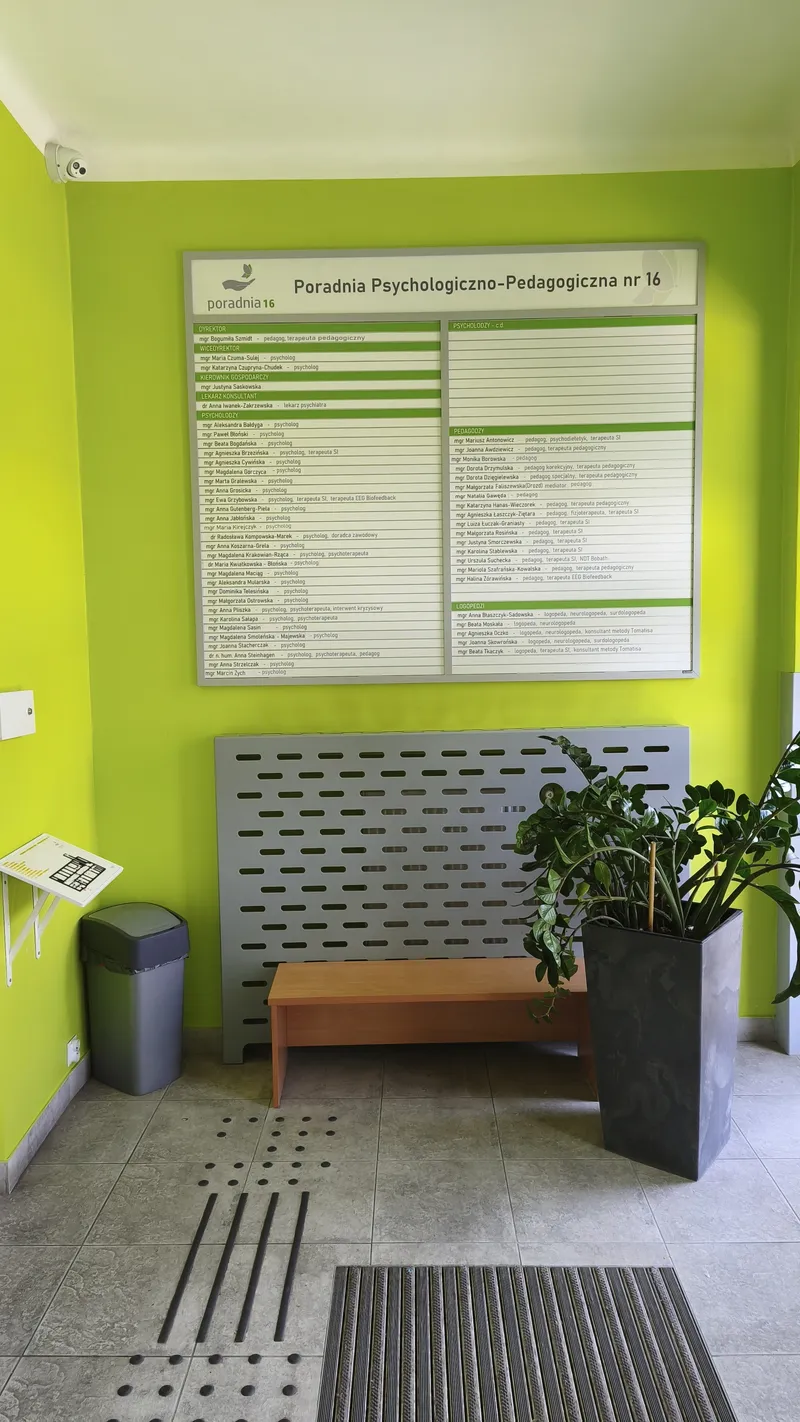
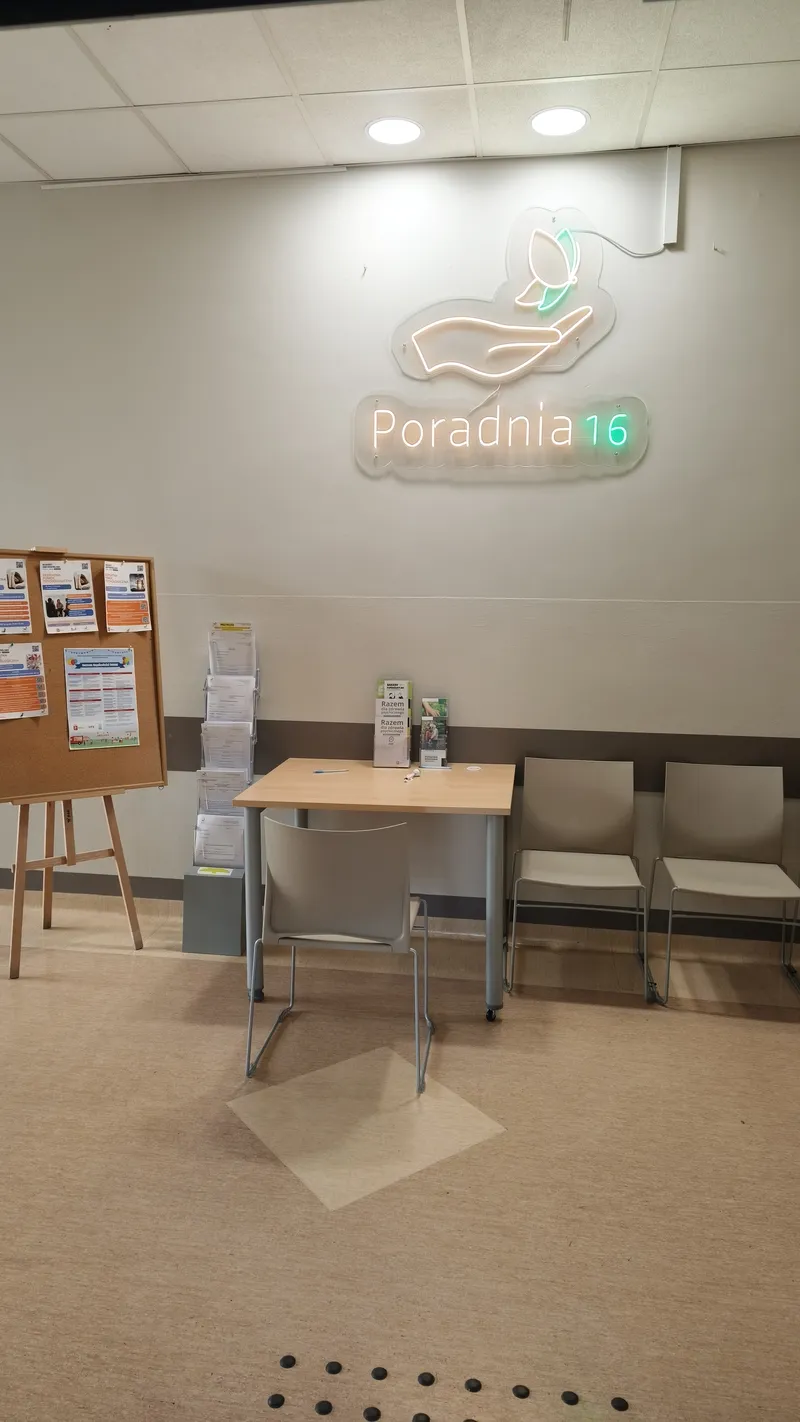
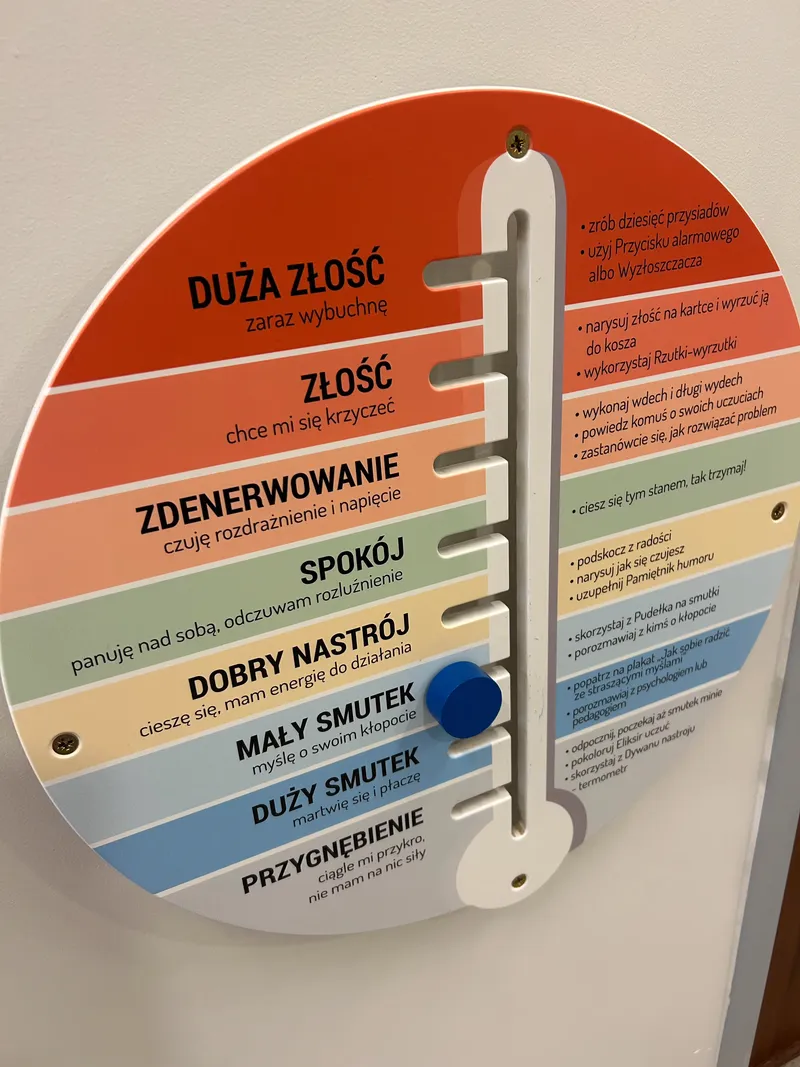
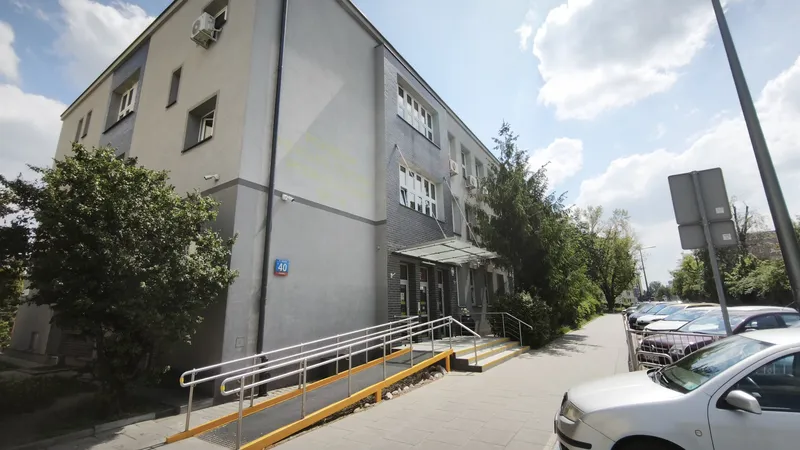
Get to know our Centre
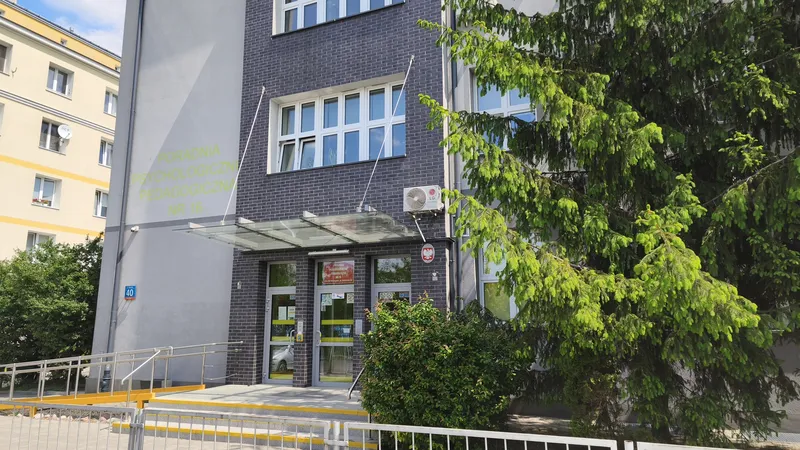
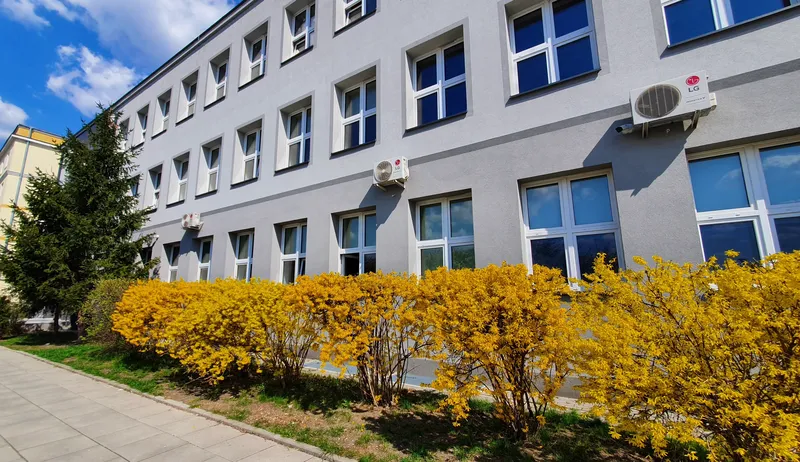
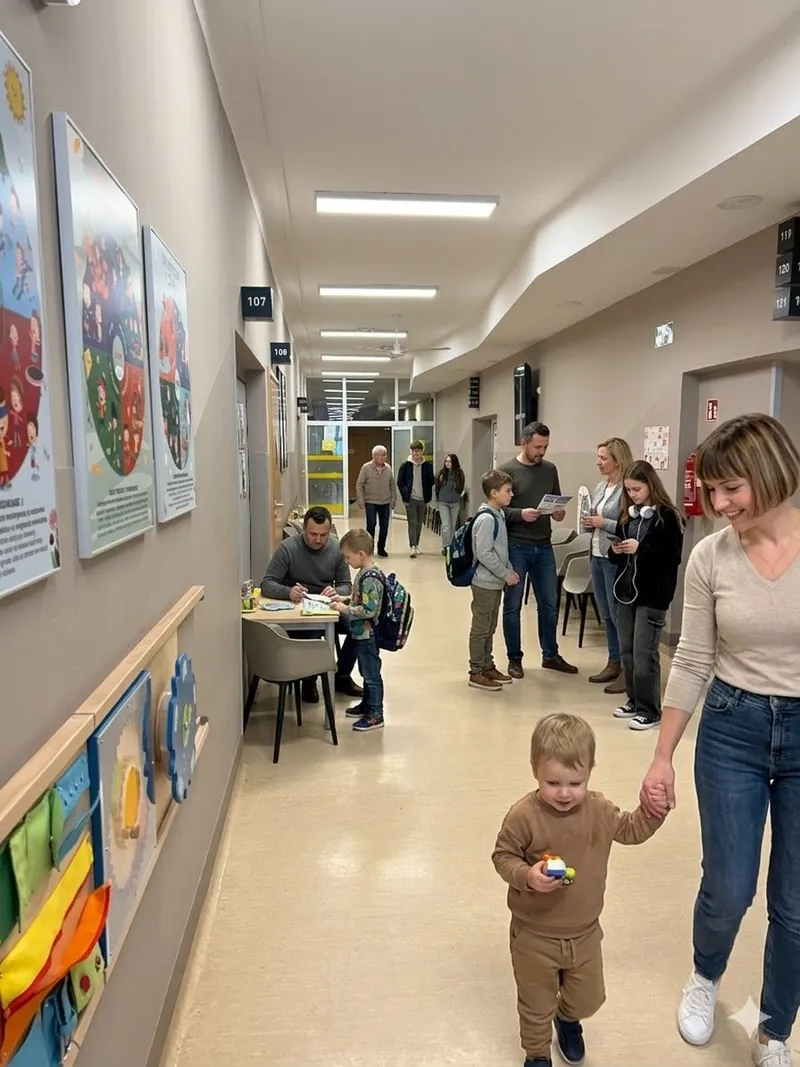
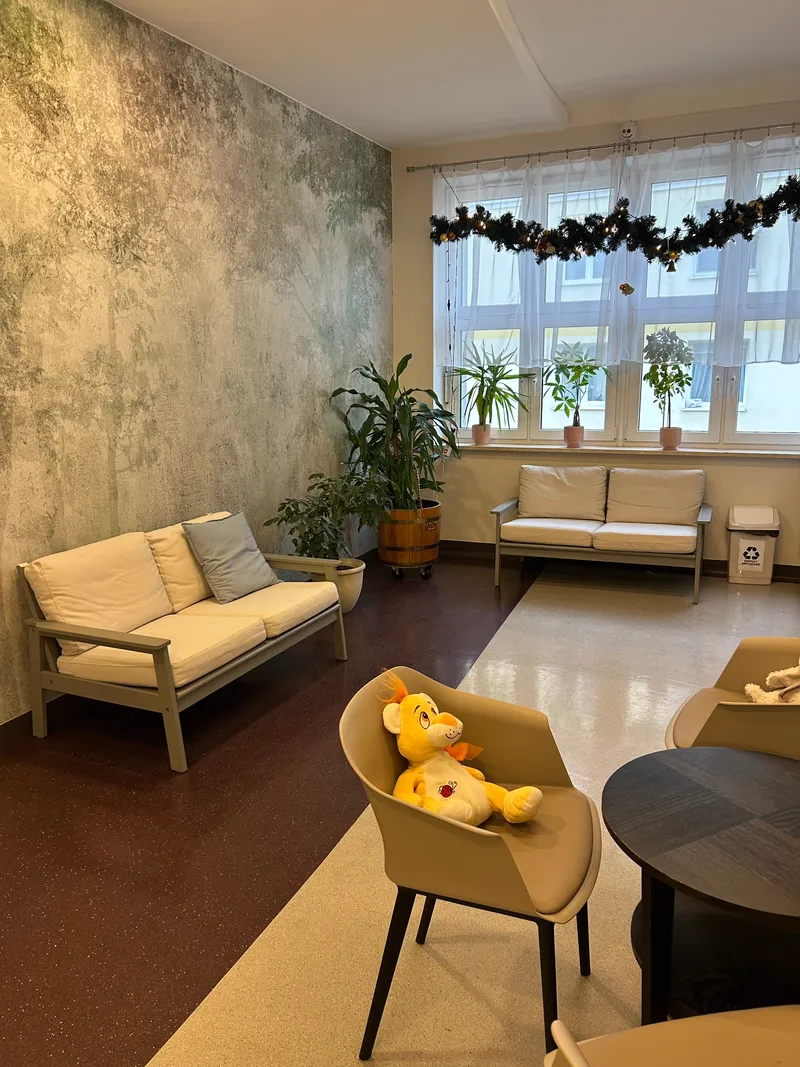
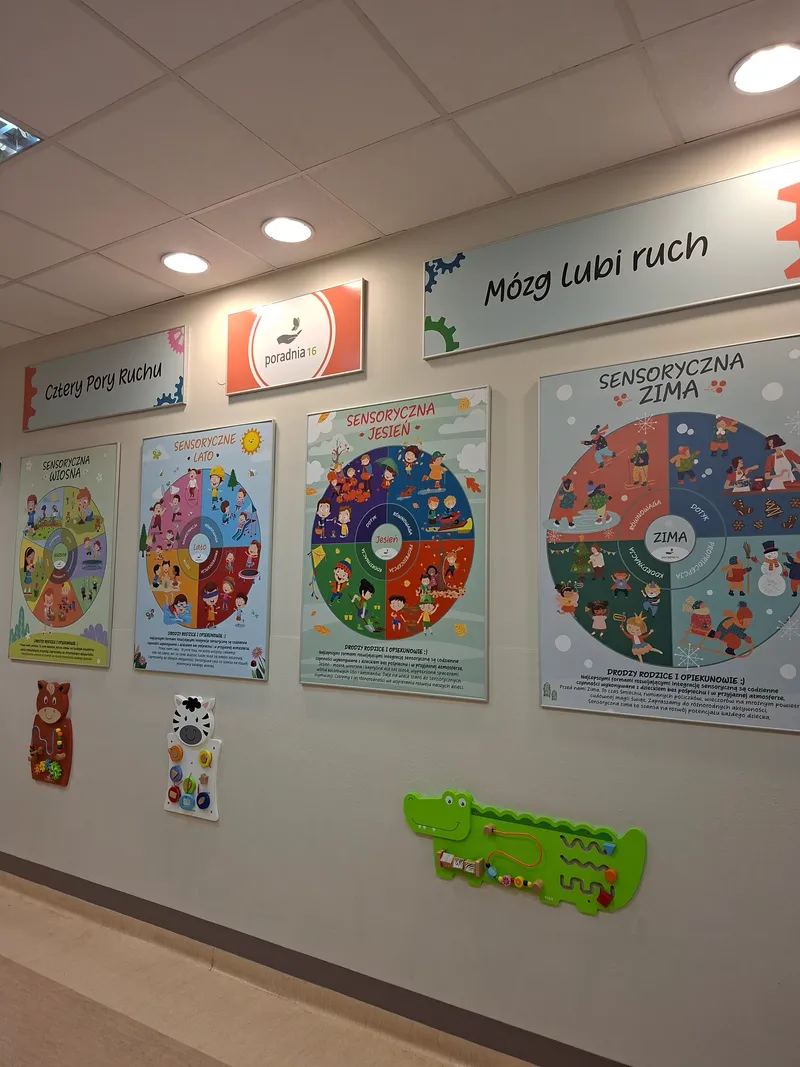
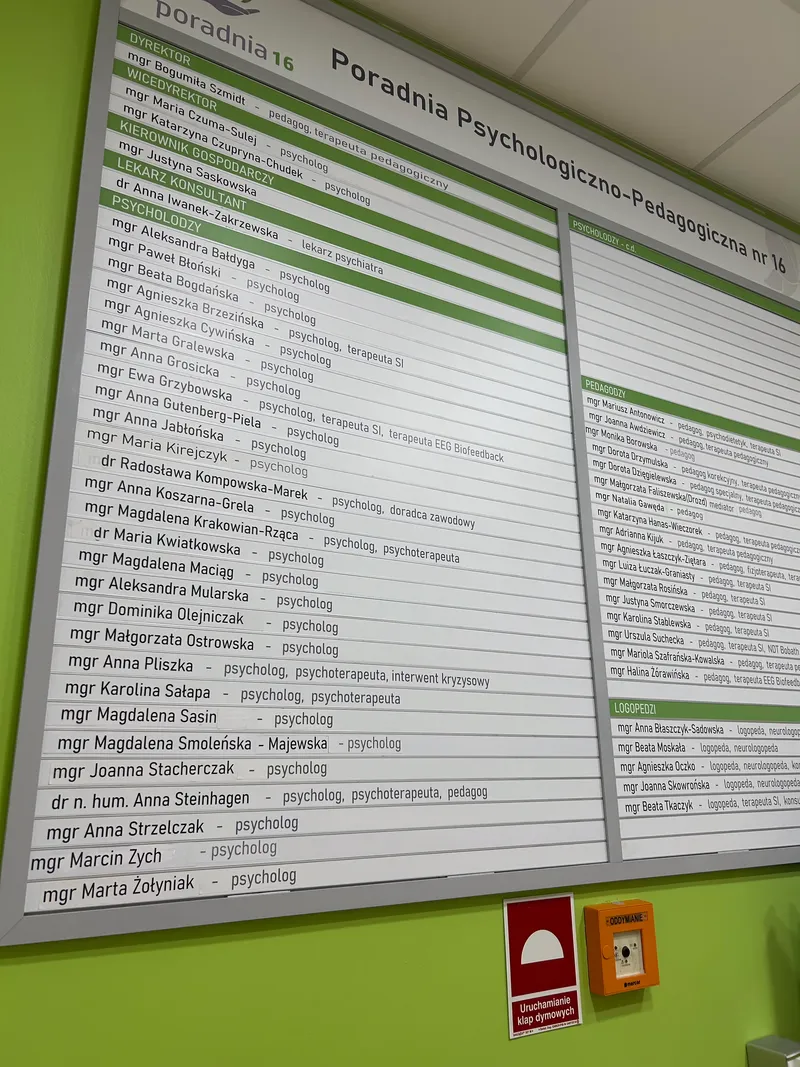
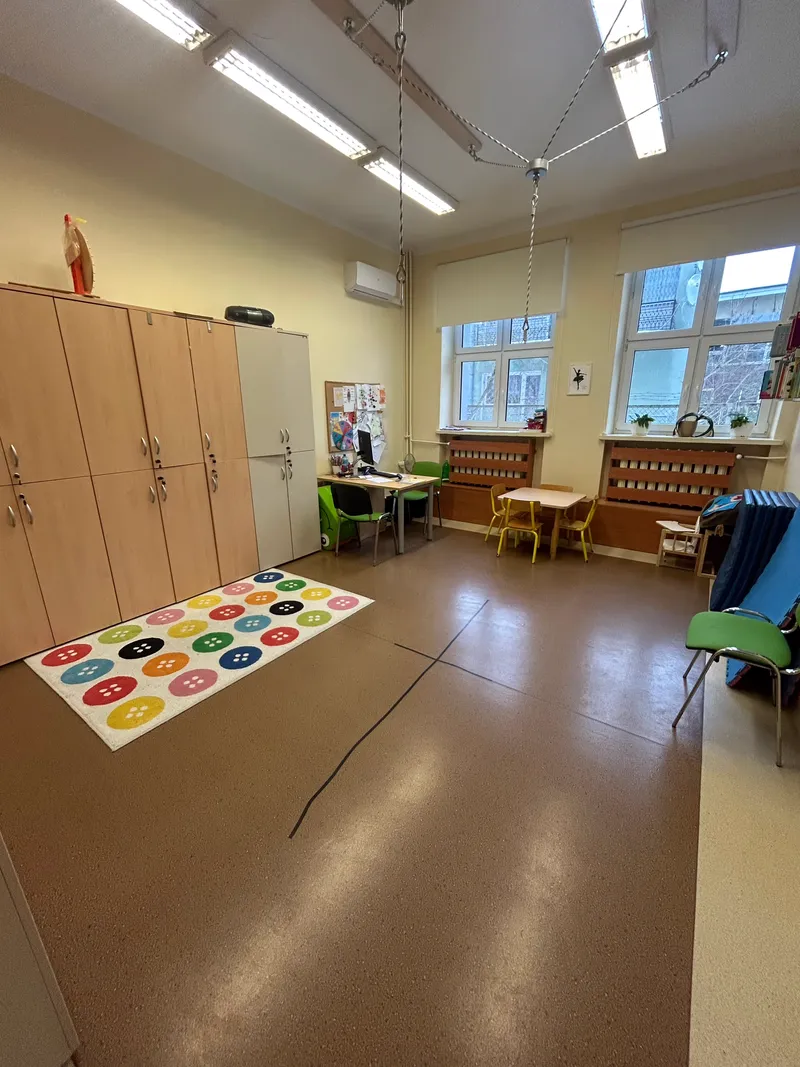
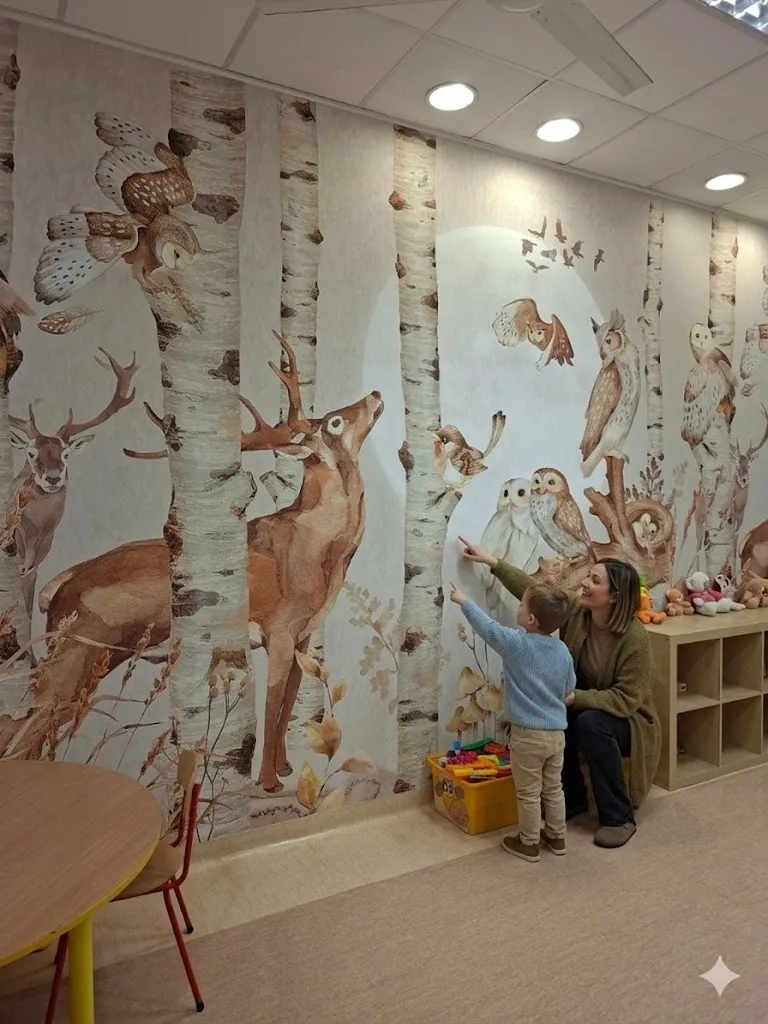
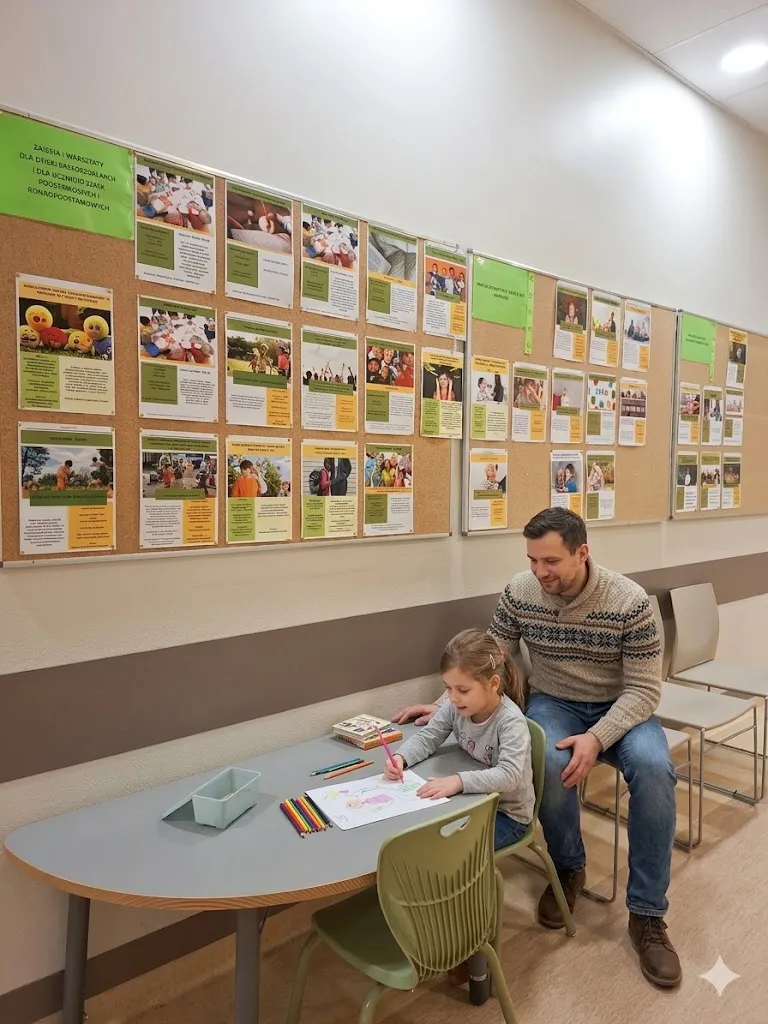
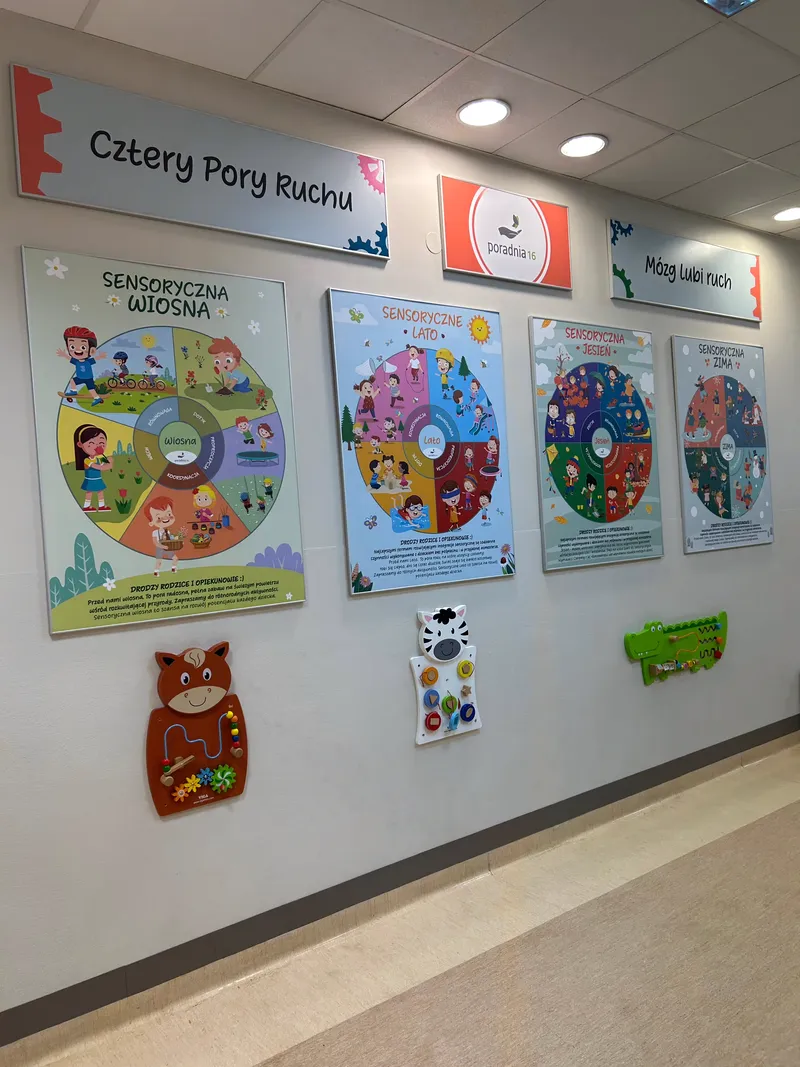
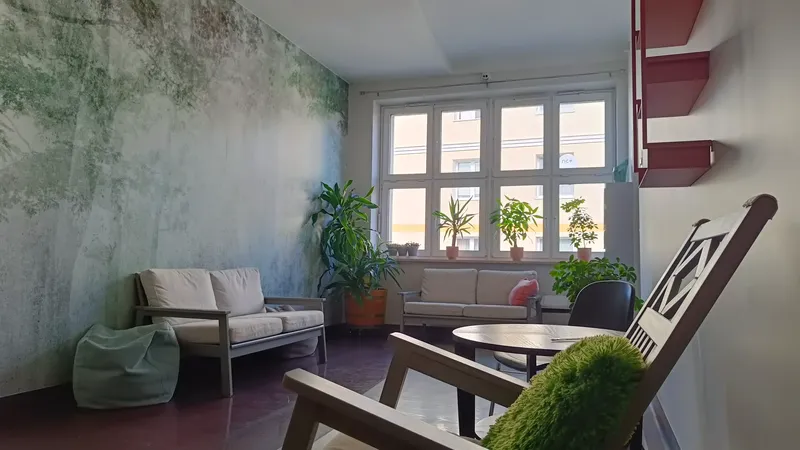
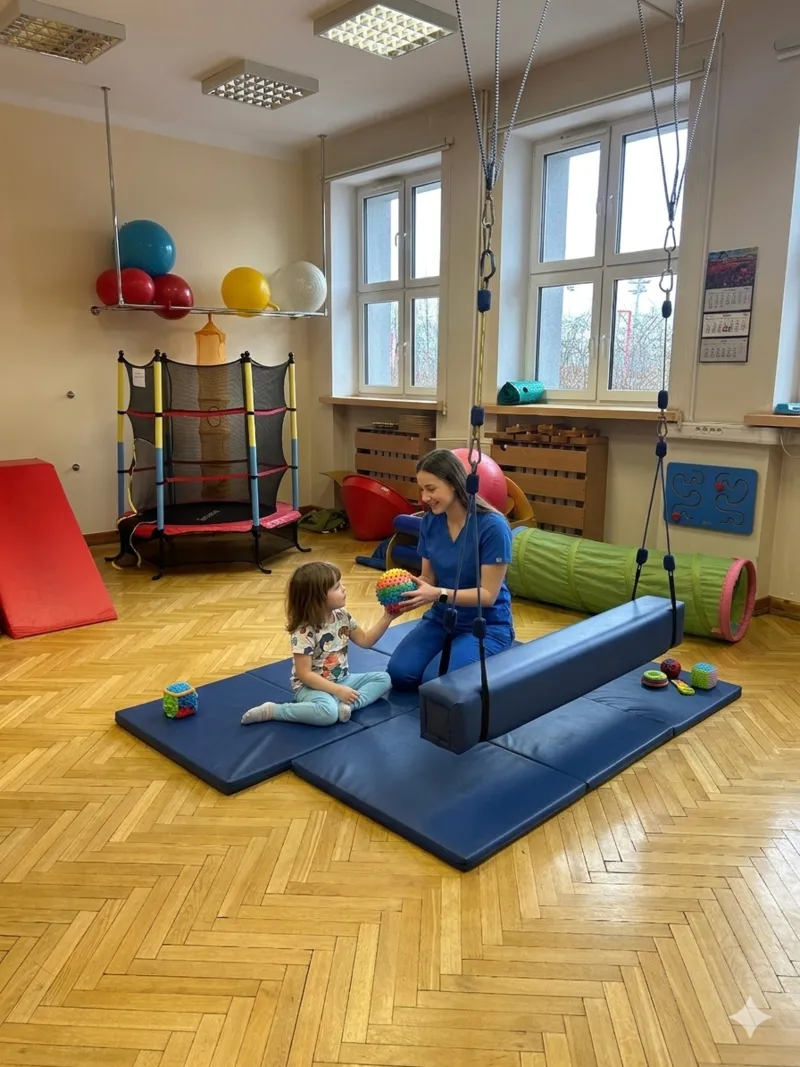
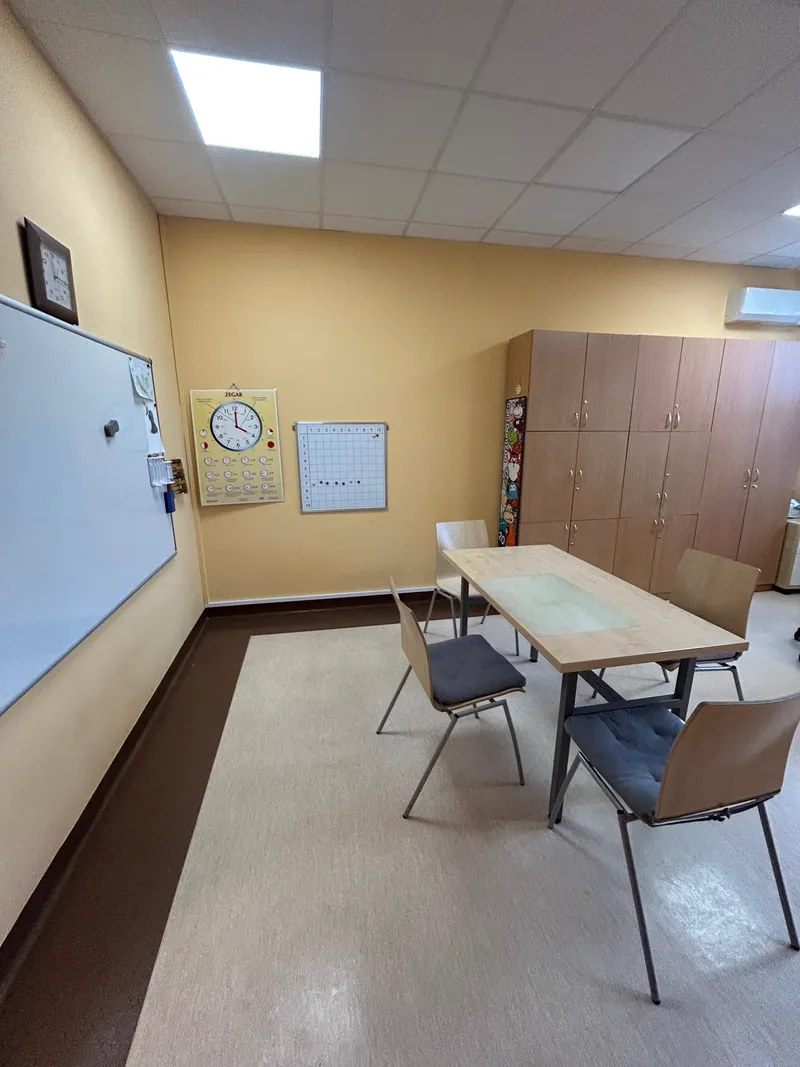
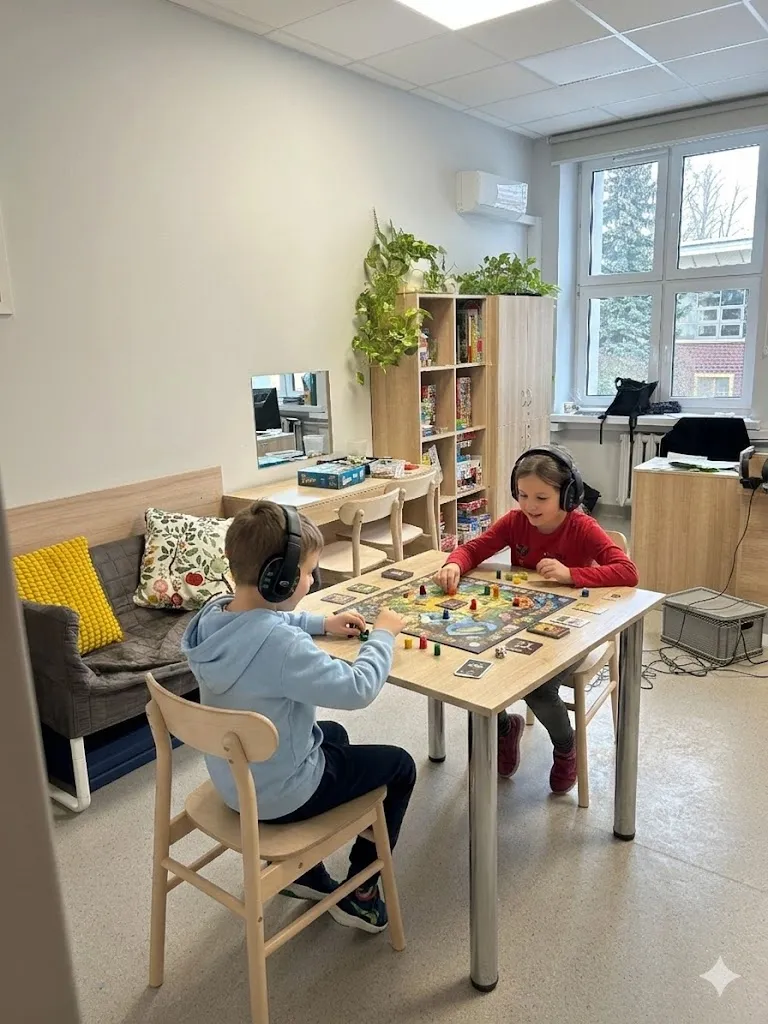
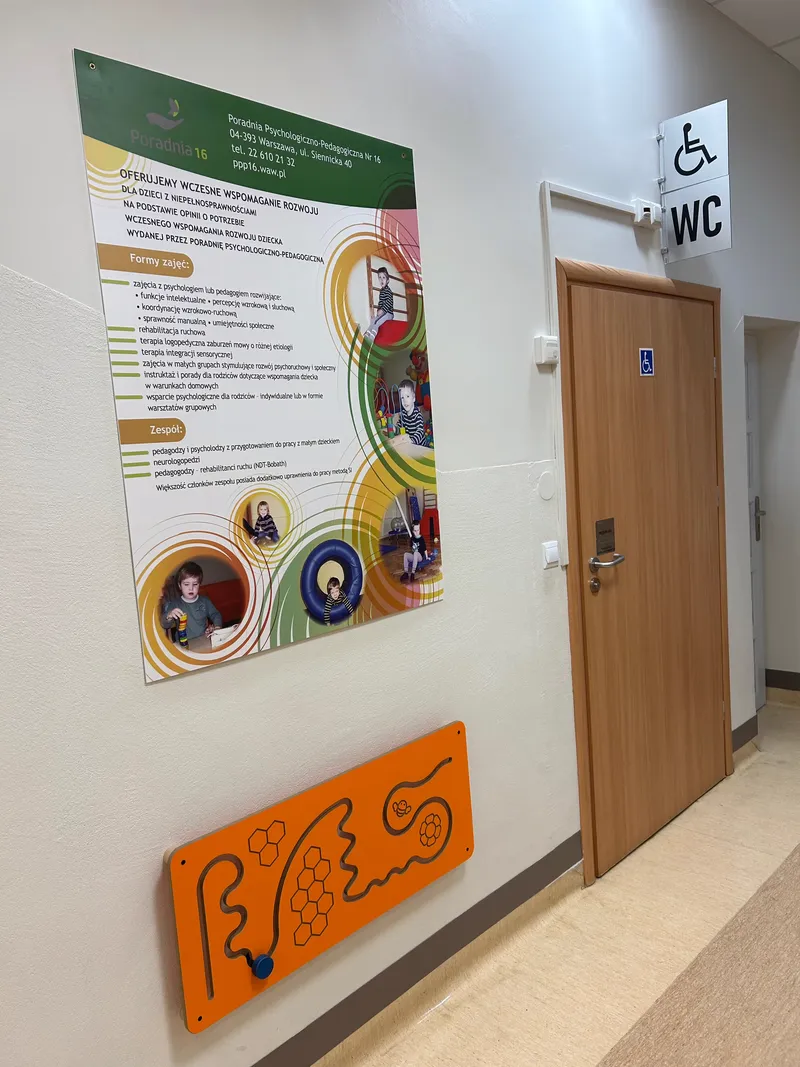
See what our consulting and therapy rooms look like.
News
What's new at the Centre? Here you will find information about upcoming events, new classes and important announcements.