STATUTE OF THE PSYCHOLOGICAL AND PEDAGOGICAL COUNSELLING CENTRE No. 16 in Warsaw, ul. Siennicka 40
The legal basis for drawing up this Statute consists of:
- Act of 7 September 1991 on the Education System (Dz. U. z 2022 r. poz. 2230).
- Act of 26 January 1982 - the Teachers' Charter (Dz. U. z 2021 r. poz. 1762 oraz z 2022 r. poz. 935, 1116, 1700 i 1730).
- Act of 15 April 2011 on the Education Information System (Dz. U. z 2022 r. poz. 868, 1116 i 1700).
- Act of 14 December 2016 - the Law on School Education (Dz. U. z 2021 r. poz. 1082 oraz z 2022 r. poz. 655, 1079, 1116, 1383, 1700, 1730 i 2089).
- Act of 10 May 2018 on the Protection of Personal Data (Dz. U. z 2019 r. poz. 1781).
- Regulation of the Minister of National Education and Sport of 1 February 2013 on the detailed rules of operation of public psychological and pedagogical counselling centres, including public specialist counselling centres (Dz. U. poz. 199 oraz z 2017 r. poz. 1647).
- Regulation of the Minister of National Education of 7 September 2017 on statements and opinions issued by assessment committees operating in public psychological and pedagogical counselling centres (Dz. U. poz. 1743 oraz z 2021 r. poz. 2294).
- Regulation of the Minister of National Education of 24 August 2017 on the organisation of early childhood development support (Dz. U. poz. 1635).
- Regulation of the Minister of Education and Science of 9 August 2017 on the rules for organising and providing psychological and pedagogical assistance in public kindergartens, schools and institutions (Dz. U. poz. 1594).
- Regulation of the Minister of Education and Science of 22 July 2022 on the list of activities conducted directly with pupils or other children in their care, or for their benefit, by teachers at psychological and pedagogical counselling centres and by the following teachers: education specialists, special education counsellors, psychologists, speech therapists, educational therapists and careers advisers (Dz. U. poz. 1610).
§ 1
GENERAL PROVISIONS
- Name of the Centre: Psychological and Pedagogical Counselling Centre No. 16 (Poradnia Psychologiczno-Pedagogiczna nr 16).
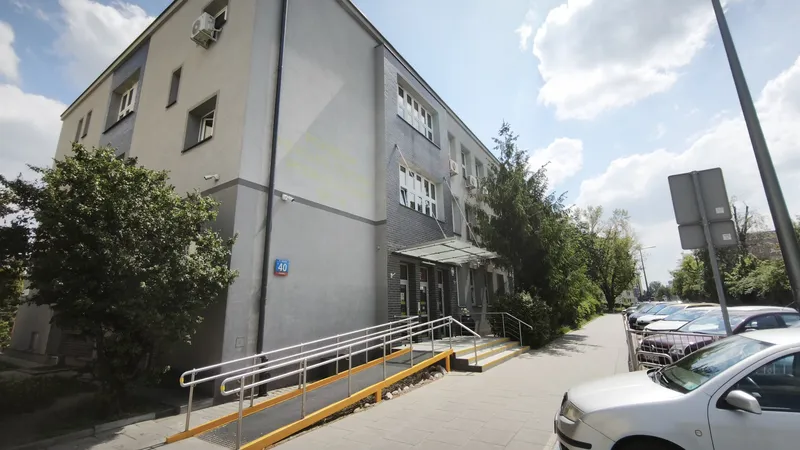
- The Centre's registered office is located in Warsaw at ul. Siennicka 40.
- The body running the Centre is the Capital City of Warsaw.
- The body exercising pedagogical supervision over the Centre is the Education Office in Warsaw (Kuratorium Oświaty w Warszawie).
- The Centre's activities cover institutions located within the Praga-Południe district.
- The Centre's catchment area is determined by the body running the Centre.
- The Centre provides psychological and pedagogical assistance to pupils, parents and teachers from institutions located within its area of operation, and to children and their parents if the children do not attend any institution but live within the Centre's catchment area.
- Under an agreement between the bodies running counselling centres, the Centre may, in exceptional circumstances, provide psychological and pedagogical assistance to people from outside its catchment area (living in the Capital City of Warsaw), excluding matters relating to statement-issuing and qualification proceedings.
- The Centre provides care for children and young people: from birth until the completion of their school education.
- The Centre is an institution that operates all year round. The body running the Centre may, in agreement with the Director of the Centre, set the dates of a break in the Centre's work during the summer holidays. The Centre's daily working hours are set by the Director in agreement with the body running the Centre. The Centre's working hours may be changed during the summer and winter holidays and during festive periods.
- The Centre works in person, in hybrid mode or remotely - depending on the needs arising from the current organisational and legal situation.
- Use of the Centre's assistance is voluntary and free of charge.
§ 2
OBJECTIVES AND TASKS OF THE CENTRE AND HOW THEY ARE CARRIED OUT
- The objective of the Centre is to provide children and young people with psychological and pedagogical assistance and with help in choosing their educational path and occupation, to provide parents and teachers with psychological and pedagogical assistance related to the upbringing and education of children and young people, and to support kindergartens, schools and institutions in carrying out their teaching, upbringing and care tasks.
- The tasks of the Centre include supporting the all-round development and learning effectiveness of children and young people, in particular:
- assessing children and young people, including carrying out screening tests and observations of how children and young people function in their learning and upbringing environment;
- providing children, young people and parents with direct psychological and pedagogical assistance, in particular through advice, consultations and therapy for children and young people, depending on the needs identified, including children and young people with developmental disorders, with dysfunctional behaviours, with disabilities, who are socially maladjusted or at risk of social maladjustment, as well as their families;
- supporting children and young people in line with their developmental and educational needs and psychophysical abilities, in particular children and young people:
- who are particularly gifted;
- with disabilities, who are socially maladjusted or at risk of social maladjustment;
- with specific learning difficulties;
- with deficits in language competence and impaired language skills;
- with chronic illnesses;
- with adaptation difficulties related to cultural differences or a change of educational environment, including those related to previous education abroad;
- in crisis or traumatic situations;
- with behavioural or emotional disorders;
- experiencing educational failure;
- experiencing environmental neglect related to the living conditions of the pupil and their family, the way they spend their free time and their social contacts;
- helping children and young people to choose their educational path and occupation and to plan their education and career, and supporting teachers in kindergartens, schools and institutions in planning and carrying out educational and career guidance tasks;
- helping parents and teachers to recognise and develop the individual abilities, aptitudes and talents of children and young people;
- taking action to prevent addiction and other problems among children and young people, including action aimed at preventing the emergence of risky behaviours among pupils and other children in the care of educational institutions related to the use of narcotic drugs, psychotropic substances, substitute substances and new psychoactive substances, in accordance with the regulations on counteracting drug addiction;
- carrying out educational activities with children, young people, parents and teachers concerning the protection of the mental health of children and young people;
- carrying out multi-specialist assessments of the level of functioning of children and young people receiving special education;
- cooperating with kindergartens, schools and institutions in identifying the developmental and educational needs and psychophysical abilities of children and young people, including the risk of specific learning difficulties in pupils in grades I - III of primary school;
- cooperating with kindergartens, schools and institutions in carrying out multi-specialist assessments of the functioning of the child/pupil and analyses of the functioning of the pupil/child, and in developing and implementing individual programmes of rehabilitation-and-education classes;
- cooperating with kindergartens, schools and institutions in developing and implementing the individual educational and therapeutic programmes referred to in the regulations on the conditions for organising education, upbringing and care for children and young people with disabilities and socially maladjusted children and young people in mainstream or integration kindergartens, schools and classes, and in the regulations on the conditions for organising education, upbringing and care for children and young people with disabilities and socially maladjusted children and young people in special kindergartens, schools and classes and in centres, as well as the support action plans referred to in the regulations on the rules for providing and organising psychological and pedagogical assistance in public kindergartens, schools and institutions;
- cooperating with kindergartens, schools and institutions in determining the conditions, specialist equipment and teaching aids necessary for learning, including those using information and communication technologies, that are appropriate to the individual developmental and educational needs and psychophysical abilities of a child with a disability or an adult pupil with a disability, upon a written application from the head of the kindergarten, school or institution, a parent or an adult pupil with a disability;
- cooperating in the provision and organisation of psychological and pedagogical assistance by kindergartens, schools and institutions;
- supporting kindergartens, schools and institutions in carrying out their teaching, upbringing and care tasks;
- supporting the upbringing and educational role of the family;
- activities supporting the upbringing and educational role of the kindergarten, school or institution, including helping teachers to solve teaching and upbringing problems;
- supporting teachers in their work with children, young people and parents;
- cooperating with other counselling centres, healthcare facilities, teacher training institutions and libraries, as well as non-governmental organisations and other entities providing counselling and assistance to children, young people, parents and teachers.
§ 2.1
METHODS OF CARRYING OUT TASKS
- In order to carry out its tasks, the Centre organises assistance in the form of: assessment, therapy and psychoeducational sessions, advice and consultations, support groups, mediation, crisis intervention, workshops, lectures and talks, and other information and training activities.
- Detailed rules for registration and participation in the forms of assistance are laid down in separate internal regulations.
- In order to provide effective assistance to parents, children, young people and teachers, the Centre cooperates with other counselling centres, kindergartens, schools and institutions, as well as with non-governmental organisations and other entities providing counselling and assistance to children and young people, and to parents and teachers.
- The following assessment committees operate at the Centre: the Assessment Committee on the Need for Special Education and on the Need for Early Childhood Development Support, and the Assessment Committee on the Need for Individualised Learning (under the rules laid down in separate regulations).
- The assessment committees issue statements:
- on the need to provide special education;
- recommending an individualised preschool preparatory year;
- recommending individualised learning;
- recommending rehabilitation-and-education classes;
- opinions on the need for early childhood development support.
- The Early Childhood Development Support Team operates at the Centre under the rules laid down in separate regulations.
- Upon a written application from the child's parents/legal guardians or an application from an adult pupil, the Centre issues opinions on matters specified in separate regulations, including education regulations relating to the education and upbringing of children and young people.
- Upon a written application from the child's parents/legal guardians or an application from the adult pupil to whom the opinion relates, the Centre forwards a copy of the opinion to the kindergarten, school or institution.
- Upon a written application from the parents/legal guardians or an application from an adult pupil, the Centre also issues information on the results of the assessment carried out at the Centre.
- If medical examinations are necessary in order to issue an opinion, at the request of the Centre the child's parent presents a medical certificate on the child's state of health, and an adult pupil - a medical certificate on his or her own state of health, containing the information necessary to issue the opinion.
§ 3
BODIES OF THE CENTRE
- The bodies of the Centre are:
- the Director of the Centre;
- the Teaching Council.
- Each of the Centre's bodies acts within its powers as defined in the Statute.
§ 3.1
DIRECTOR OF THE CENTRE
- The Centre is managed by a teacher who has been entrusted with the post of director by the authority running the institution.
- The candidate for the post of Director of the Centre is selected through a competition.
- With the consent of the authority running the Centre, the Director of the Centre may create the post of deputy director or posts of deputy directors and, depending on needs, other managerial posts.
- In particular, the Director of the Centre:
- manages the activities of the Centre and determines the scope of tasks carried out by staff;
- represents the Centre externally;
- exercises pedagogical supervision;
- chairs the Teaching Council of the Centre and implements the resolutions of the Teaching Council;
- manages the funds set out in the Centre's financial plan and is responsible for their proper use;
- carries out tasks related to ensuring safety, oversees the sanitary and hygienic condition of the institution and complies with occupational health and safety regulations;
- performs other tasks arising from specific regulations;
- cooperates with higher education institutions in organising teaching placements;
- creates conditions for volunteers and associations to operate at the Centre;
- employs and dismisses the Centre's staff;
- grants awards to staff and imposes penalties on them;
- applies (after consulting the Teaching Council) for decorations, awards and distinctions for staff;
- carries out performance appraisals of staff;
- grants leave and assigns staff to other duties;
- oversees the professional promotion procedure for the Centre's teachers;
- cooperates with the Teaching Council in carrying out his or her tasks.
- The rules for exercising pedagogical supervision are laid down in separate regulations.
- The detailed scope of the Director's powers is kept in his or her personnel file.
- The Director has the right to:
- issue official instructions to all staff of the Centre;
- suspend resolutions of the Teaching Council that are contrary to the law;
- sign documents and correspondence;
- monitor the work and documentation of all staff;
- sign agreements with volunteers and associations.
- The Director entrusts the post of Deputy Director and dismisses its holder from it.
- The detailed scope of the Deputy Director's tasks, duties, responsibilities and authorisations, within the division of managerial tasks, is determined by the Director.
- In the absence of the Deputy Director, another teacher of the Centre designated by the Director deputises for the Director.
§ 3.2
TEACHING COUNCIL
- The Centre has a Teaching Council, which is the collegial body of the institution with regard to carrying out its statutory tasks at the Centre, in schools and kindergartens, and also in the child's family environment.
- The Teaching Council is made up of all teachers employed at the Centre.
- The Chair of the Teaching Council is the Director of the Centre.
- Persons invited by its Chair with the consent of, or at the request of, the Teaching Council may also take part in meetings of the Teaching Council in an advisory capacity.
- Meetings of the Teaching Council are held as needed on the initiative of the Chair or of the authority running the Centre, or at the request of the authority exercising pedagogical supervision, and also on the initiative of at least 1/3 of the members of the Teaching Council.
- The Chair prepares and conducts meetings of the Teaching Council and is responsible for notifying all its members of the date and agenda of each meeting in accordance with the Rules of Procedure of the Teaching Council.
- At least twice in each school year, the Director of the Centre presents to the Teaching Council the general conclusions arising from the pedagogical supervision exercised and reports on the activities of the Centre.
- The decision-making powers of the Teaching Council include:
- approving the Centre's work plans;
- adopting resolutions on pedagogical experiments at the Centre;
- determining the organisation of professional development for the Centre's teachers;
- determining how the results of pedagogical supervision, including supervision exercised over the school or institution by the authority exercising pedagogical supervision, are to be used to improve the work of the school or institution.
- In particular, the Teaching Council gives its opinion on:
- the organisation of the Centre's work, including the weekly timetable of sessions and the schedule of working hours;
- the Centre's draft financial plan;
- the Director's applications for decorations, awards and other distinctions for teachers;
- the proposals of the Director of the Centre on assigning teachers permanent work and duties within their basic salary, as well as additionally paid educational activities.
- The Director suspends the implementation of resolutions of the Teaching Council that are contrary to the law. The Director notifies the authority running the Centre and the authority exercising pedagogical supervision of the suspension without delay.
- The Teaching Council prepares the draft Statute or draft amendments to it and submits them for adoption.
- The Teaching Council may request the authority running the Centre to dismiss a teacher from the post of Director of the Centre, or request the Director of the Centre to dismiss a teacher from a managerial post at the Centre.
- Resolutions of the Teaching Council are adopted by a simple majority of votes in the presence of at least half of its members.
- The Teaching Council adopts its own rules of procedure. Minutes of meetings of the Teaching Council are taken by the Centre's teachers.
- Teachers are obliged not to disclose matters discussed at meetings of the Teaching Council that could infringe the personal rights of clients or their families, as well as of teachers and other staff of the Centre.
- Where conflicts arise within the Centre, the Director or the Teaching Council appoints a three-person arbitration panel to examine the allegations of the parties to the dispute, evaluate the situation and resolve the conflict.
- If no solution to the conflict can be found, the parties appoint a mediator in an attempt to resolve the dispute. The mediator is a person from outside the Centre.
§ 4
ORGANISATION OF THE CENTRE
DOCUMENTATION KEPT
- An alphabetical list of children and young people receiving assistance from the Centre.
- A register of opinions, statements, information and certificates issued.
- Records of the persons assessed (individual record cards).
- Registers of group specialist sessions and records of children, young people and their families receiving therapy.
- Session registers of the pedagogical staff.
- The alphabetical list of children and young people and the register of opinions, statements, certificates and information on assessment results issued may be kept in electronic form.
- Other documentation in accordance with separate regulations.
- The Centre stores documentation in accordance with the applicable regulations.
- Documentation in the form of test record sheets related to psychological and pedagogical assessment may be made available for inspection to parents (legal guardians) or an adult pupil only in the presence of a specialist from the Centre. These persons are not entitled to take notes or make copies of the documentation made available to them.
- The Centre does not make available documentation in the form of notes made on the basis of observations and conversations held with family members, teachers and specialists from kindergartens, schools and institutions.
- Documentation relating to the conduct of individual and group therapy sessions is not made available.
- Upon a written application from the parents (legal guardians) or an adult pupil, the documentation of assessments and supplementary activities contained in the individual files is transferred to other public psychological and pedagogical counselling centres competent to provide them with assistance. The manner of transferring documentation is governed by separate regulations.
§ 5
DETAILED ORGANISATION OF THE CENTRE
- The detailed organisation of the Centre is set out in the Centre's organisation sheet, drawn up by the Director by 30 April each year on the basis of the Centre's work plan and financial plan.
- The organisation sheet is approved by the governing authority of the Centre by 25 May of the given year, after seeking the opinion of the authority exercising pedagogical supervision.
- The Centre employs pedagogical staff: psychologists, education specialists, speech therapists, careers advisers and, depending on needs, other specialists, in particular doctors.
- The Centre employs administrative and support staff.
- The Centre's pedagogical staff also carry out their tasks outside the Centre, in particular in kindergartens, schools and institutions, and in the family environment.
- Assistance to children and young people may also be provided at the Centre by volunteers who, under an agreement concluded with the Director of the Centre, carry out tasks in the field of psychological and pedagogical assistance. A volunteer may be an adult who has not been convicted of an offence by a final court judgment and against whom no criminal proceedings are pending.
- The Centre may have branches. Branches are established and closed by the governing authority, which also determines the scope and area of their activities. A branch manager position is created in each branch.
- Depending on needs, the Centre may set up consultation points providing speech therapy and psychological and pedagogical assistance, in order to give children, young people, parents and teachers better access to the Centre's services.
- Depending on needs, specialist teams may be appointed at the Centre to carry out specific tasks.
- The Centre may accept university students for work placements on the terms set out in separate regulations and in the Statute of the Centre.
- The detailed tasks of the pedagogical, administrative and support staff are set out in individual scopes of duties.
- The Centre's professional staff hold consultations for pupils and/or their parents, as appropriate and in accordance with the established rules, for 1 hour per week. Pedagogical staff employed for less than ½ of the compulsory teaching load hold consultations for 1 hour every 2 weeks.
- In an emergency or crisis situation, especially during a period of temporary restriction of the operation of education system units, the Director of the Centre is responsible for organising and carrying out the Centre's tasks using remote working methods and techniques or other means of carrying out these tasks.
- Sessions using remote working methods and techniques are delivered with the use of materials and integrated educational platforms, video and multimedia materials, textbooks, worksheets, exercise books and the like.
- Specialist - pupil and/or specialist - parent communication takes place by telephone, through phone calls or text messages, by email, using other messaging apps set up for the purposes of remote education, and through applications enabling video conferencing (e.g. Zoom, Teams, Skype).
- Remote work takes place in accordance with the applicable work schedule of the pedagogical staff.
- Specialists perform their duties according to work plans, with the possibility of modifying them as required by the adopted methods and forms of remote work.
- When planning sessions, the professional staff take into account occupational health and safety regulations as well as the needs and psychophysical limitations of pupils, including those referred for special education.
- Where the situation requires it, assessment visits take place in person, in compliance with the applicable regulations and guidelines.
§ 6
SCOPE OF TASKS OF THE CENTRE'S STAFF
- Scope of the psychologist's tasks:
- conducting individual and group assessments and diagnostic activities concerning children and young people, including assessing the pupil's potential and identifying their strengths;
- determining eligibility for appropriate forms of psychological and pedagogical assistance, preventive and pastoral assistance, care, special education and social rehabilitation;
- providing various forms of psychological therapy for children and young people;
- encouraging therapeutic activities in schools and other institutions, consultations and other forms of professional support in this area;
- providing psychological counselling and mediation for children and young people, parents and teachers;
- intervention in crisis situations (supporting the child and family in difficult life events);
- supporting the family and the school, promoting psychological knowledge, developing parenting and pastoral skills;
- taking action to minimise the effects of developmental disorders;
- initiating various forms of pastoral support in the pupil's school and out-of-school environment;
- supporting form tutors, pastoral teams and other problem-solving and task teams in activities arising from the school's pastoral programme and prevention programme referred to in separate regulations;
- consultations for parents of the children assessed, giving detailed guidance on how to deal with the child;
- improving professional skills.
- Scope of the education specialist's tasks:
- conducting individual and group educational assessments of children and young people and indicating the desired forms of assistance;
- providing individual and group educational therapy for children with disorders of perceptual-motor functions;
- supporting parents and teachers in solving problems related to upbringing;
- advice and guidance for parents and children on methods and forms of work;
- providing consultations and guidance to young people for independent work;
- cooperating with teachers and education specialists at the schools attended by children receiving educational therapy, and promoting knowledge of the causes of learning failure;
- encouraging therapeutic activities in schools and other institutions, consultations and other forms of professional support in this area;
- developing and implementing new working methods in educational therapy.
- Scope of the speech therapist's tasks:
- speech and language assessment;
- providing speech therapy according to a prepared programme;
- guidance for parents;
- consultations with the teachers of the children being assessed, and agreeing detailed recommendations for working with them at the institution;
- taking preventive action against the development of language communication disorders:
- screening of preschool-age children;
- talks, advice and workshops for parents;
- cooperating with education specialists and psychologists regarding the children being assessed, and taking part in assessment committees;
- improving professional skills;
- developing new working methods.
- Scope of the social therapist's duties:
- examining and identifying pupils' individual needs and analysing the causes of school failure;
- assistance in acquiring and developing interpersonal skills: social communication, decision-making, coping with stress;
- assistance in acquiring and developing skills in resolving conflicts and problems through negotiation, and other social communication skills;
- providing social therapy for dysfunctional behaviour;
- cooperating with the psychologist on minimising the effects of developmental disorders and preventing behavioural disorders, and initiating various forms of pastoral support in the pupil's school and out-of-school environment;
- supporting the family and the school, promoting psychological and pedagogical knowledge, developing parenting and pastoral skills;
- consultations for parents of the children assessed, giving detailed guidance on how to deal with the child.
- Scope of the careers adviser's tasks:
- conducting individual and group assessments related to the choice of educational path and occupation;
- providing individual advice to pupils and parents;
- running interactive group sessions that prepare pupils for informed career planning and for taking on a professional role;
- supporting parents and teachers in their guidance activities by organising training and information meetings and providing information and materials for working with pupils;
- systematically assessing the need for educational and vocational information and for assistance in planning education and careers;
- collecting, updating and sharing educational and vocational information for different levels of education;
- pointing pupils, parents and teachers to additional sources of information at regional, national, European and global level concerning:
- the labour market and development trends in the world of occupations and employment;
- using one's aptitudes and talents in performing future professional tasks;
- institutions and organisations supporting the functioning of people with disabilities in daily and working life;
- alternative educational opportunities for pupils with emotional problems and for socially maladjusted pupils;
- supporting school teachers in planning and carrying out educational and career guidance tasks.
- Scope of the psychologist-therapist's tasks:
- conducting individual and group assessments and indicating the desired forms of therapeutic assistance;
- conducting diagnostic consultations;
- providing therapy (individual, group and family);
- supporting parents and teachers in solving problems related to education and upbringing.
- Scope of tasks of the staff member responsible for supporting and improving the child's motor functions:
- rehabilitative/remedial care for children from the Centre's catchment area;
- reviewing the children's assessment records and developing individual programmes (presenting them to parents for approval) to improve the children's motor functions in accordance with the recommendations contained in opinions on early childhood development support and in medical certificates issued;
- conducting individual remedial exercises with children;
- Individual consultation with other specialists, both at the Centre and outside it, in order to select appropriate methods and forms of work and to obtain information on the child's functioning in various areas of their development;
- providing guidance to parents for work at home;
- taking part in meetings of the Consultation Teams as part of the work of the early childhood development support team (ZWWR);
- evaluating individual therapy programmes in line with the children's changing needs.
- Scope of the doctor's tasks:
- analysing medical documentation submitted to the Centre;
- taking part in meetings of the assessment committees and the early childhood development support team operating at the Centre;
- providing medical consultations in matters requiring analysis of medical documentation.
- The task of the administrative and support staff is to ensure the smooth running of the Centre and to keep the building and its surroundings tidy and clean. The Director of the Centre sets out the detailed scope of duties of the administrative and support staff according to their positions.
- The core tasks of every member of the pedagogical staff also include:
- preparing opinions, information and certificates on matters related to the psychological and pedagogical assistance provided;
- keeping the Centre's internal documentation related to the psychological and pedagogical assistance provided;
- taking part in meetings of the Centre's teams and committees on matters related to the assistance provided to children and young people;
- consulting other professional staff of the Centre on matters concerning children and young people and their parents (legal guardians);
- systematically improving professional skills and raising the level of professional knowledge, in particular through:
- self-study;
- taking part in the work of specialist teams and in internal professional development training (WDN);
- making use of out-of-school forms of support for psychological and pedagogical activities;
- improving their own qualifications;
- cooperating with other psychological and pedagogical counselling centres, kindergartens, schools and institutions, as well as centres and organisations working for the benefit of the child and the family, in matters related to individual care of the child;
- performing other tasks for the Centre assigned by the Director.
- The pedagogical staff are required to know and comply with the applicable internal legal acts and the provisions of education law.
- The pedagogical staff also carry out the Centre's tasks outside its premises - in the environment of children and young people, including at school, at kindergarten, in institutions cooperating with the Centre and in the family environment.
- The Centre's pedagogical staff are responsible for the quality of their work and for the safety of the children and young people placed in their direct care, as set out in detail in the Centre's Work Regulations and Occupational Health and Safety Regulations.
§ 7
PERSONAL DATA PROTECTION AT THE CENTRE
- All employees of the Centre are bound by the regulations on personal data protection.
- The Director, as the personal data controller:
- in data processing operations, takes into account the nature, scope, context and purposes of processing, as well as the risk of infringement of the rights or freedoms of natural persons, of varying likelihood and severity. At the same time, approves and implements appropriate technical and organisational measures so that processing is carried out in accordance with personal data protection law and is regularly reviewed and updated;
- performs the statutory tasks related to data security and lays down the rules for processing the personal data of data subjects, in particular the personal data of pupils, children under the institution's care, parents, and the institution's employees and associates;
- exercises supervision by appointing a person responsible for applying personal data protection law with regard to the tasks listed in points 1) and 2). This person reports directly to the data controller in accordance with personal data protection law.
- In the course of their professional duties, teachers apply, when processing personal data in practice, the principles, procedures and obligations incumbent on them under national law and the law of the Member States of the European Union on personal data protection.
- A teacher's duties include processing personal data solely within the scope of the authorisations granted in accordance with the Director's decision, as well as securing data carriers, in both electronic and traditional form, in line with the institution's personal data security documentation, and making data available to authorised entities and persons within the limits and in accordance with the provisions of the law.
- The duties of administrative and support staff include processing personal data solely within the scope of the authorisations granted, in accordance with the personal data processing and security documentation.
§ 8
FINAL PROVISIONS
- The Centre is a budgetary unit and manages its finances on the terms set out in separate regulations.
- All amendments to the Statute are introduced by appropriate resolutions of the Teaching Council amending the Statute. At the request of the Teaching Council, the Director prepares a consolidated text of the Statute when there are more than 5 amendments.
- In matters not covered by the Statute, the relevant provisions of the Education System Act apply.
- The previous Statute of the Psychological and Pedagogical Counselling Centre, adopted by the Teaching Council of the Centre on 13.10.2020, is hereby repealed.
- The current consolidated text of the institution's Statute was adopted unanimously by the Teaching Council of the Centre on 13.12.2022.
The Statute is available for inspection at the Centre's Secretariat (reception).
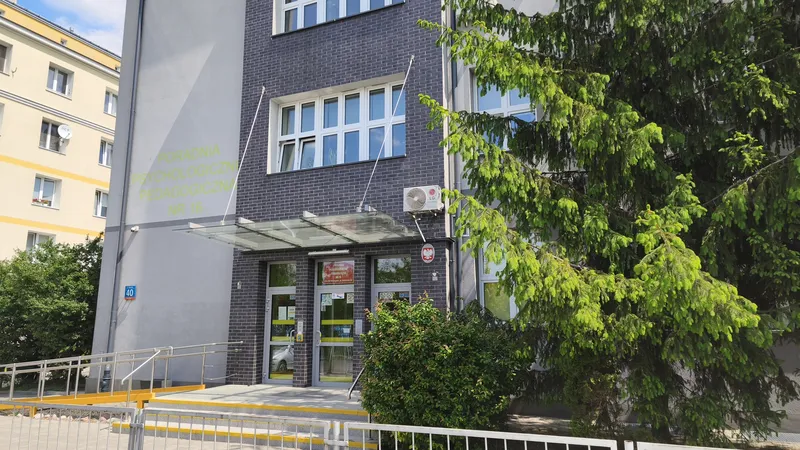
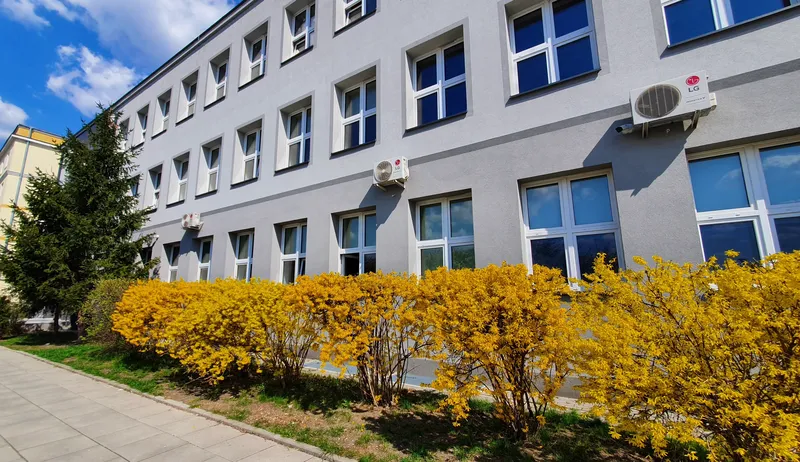
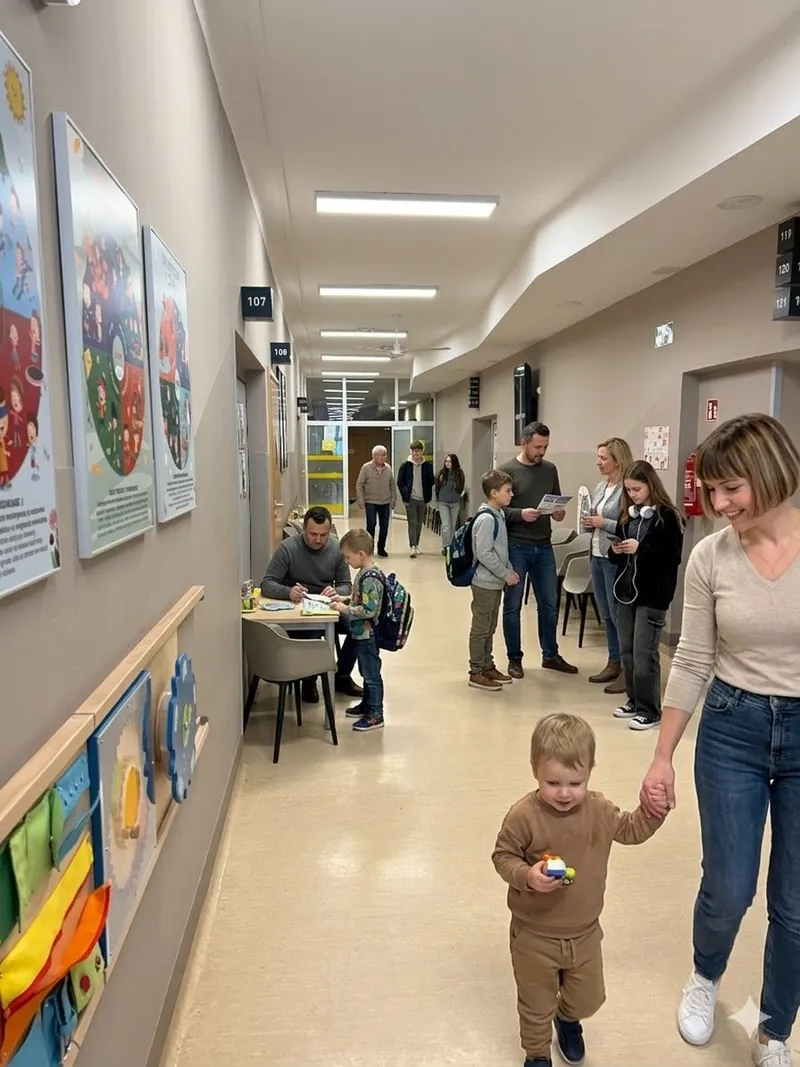
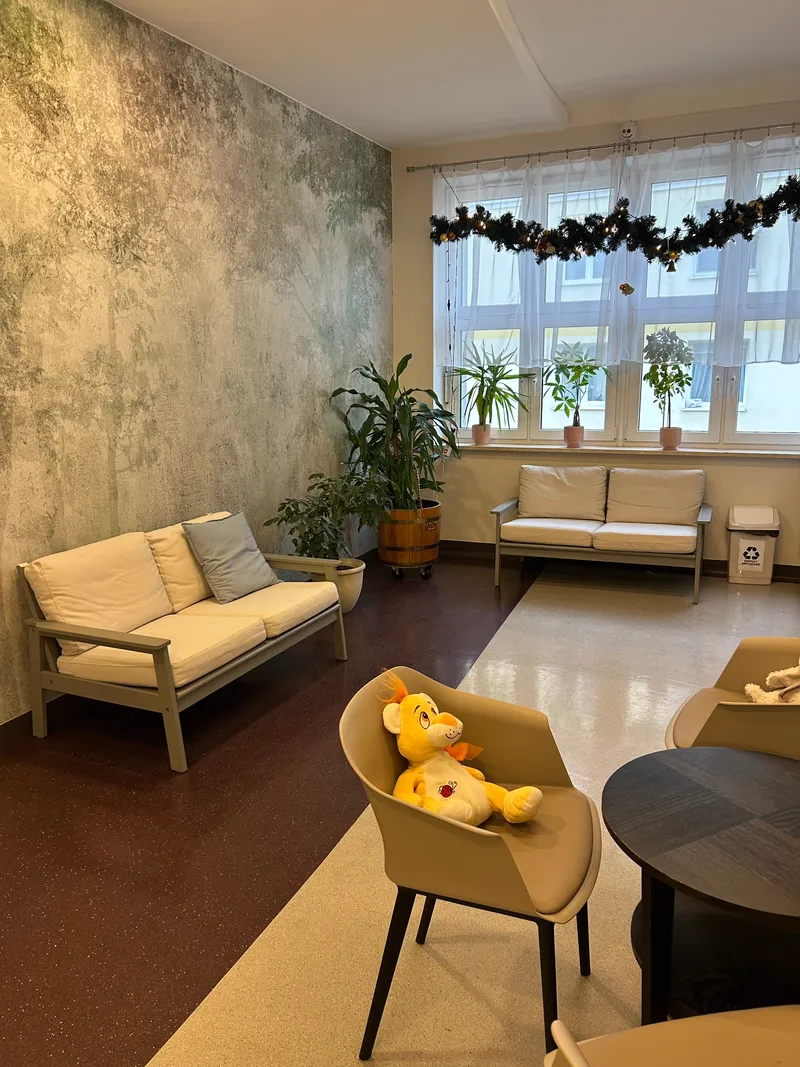
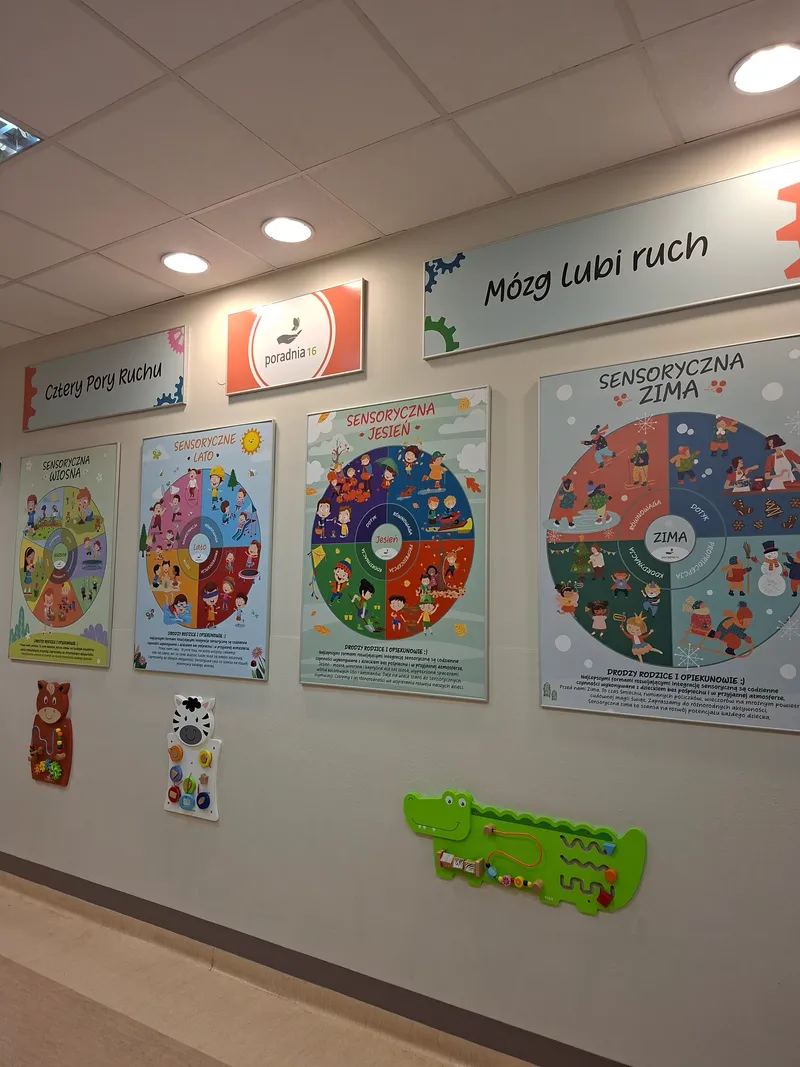
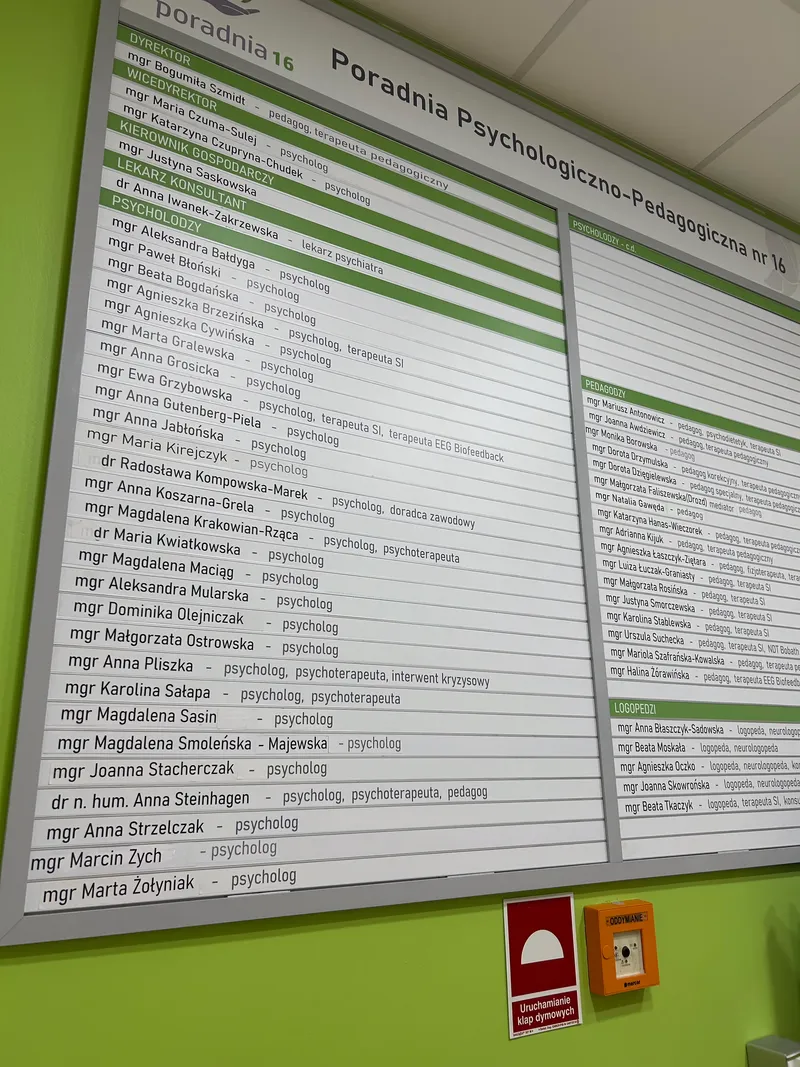
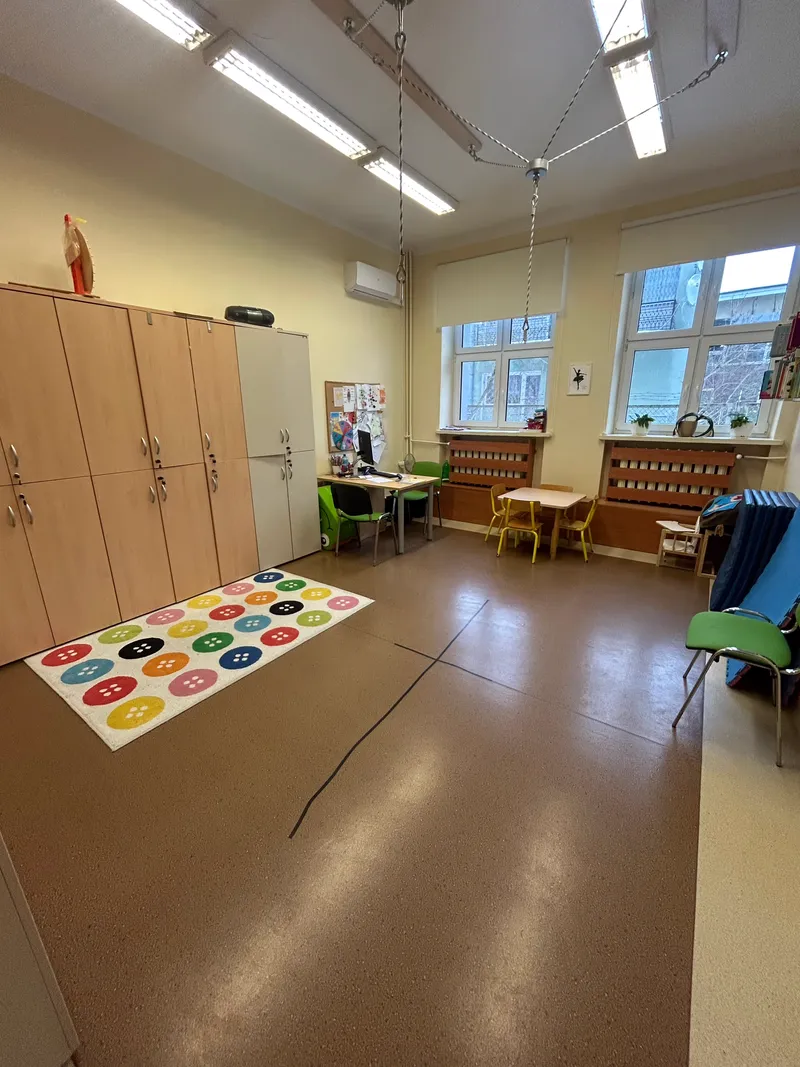
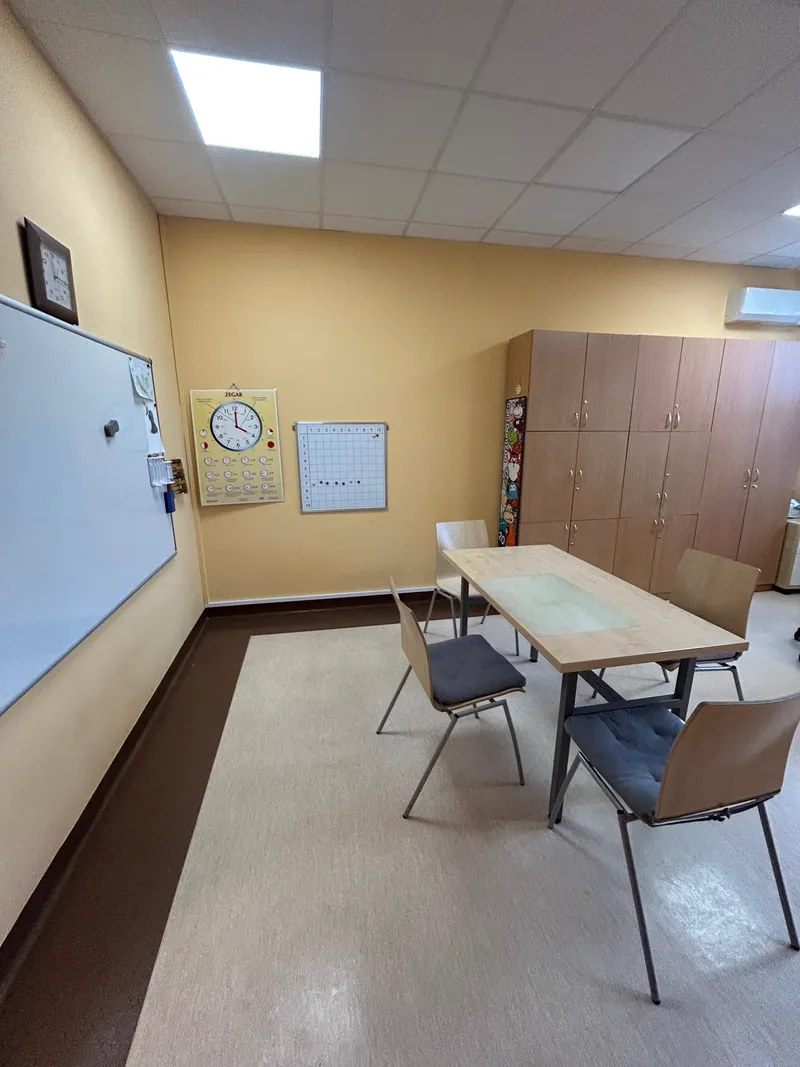
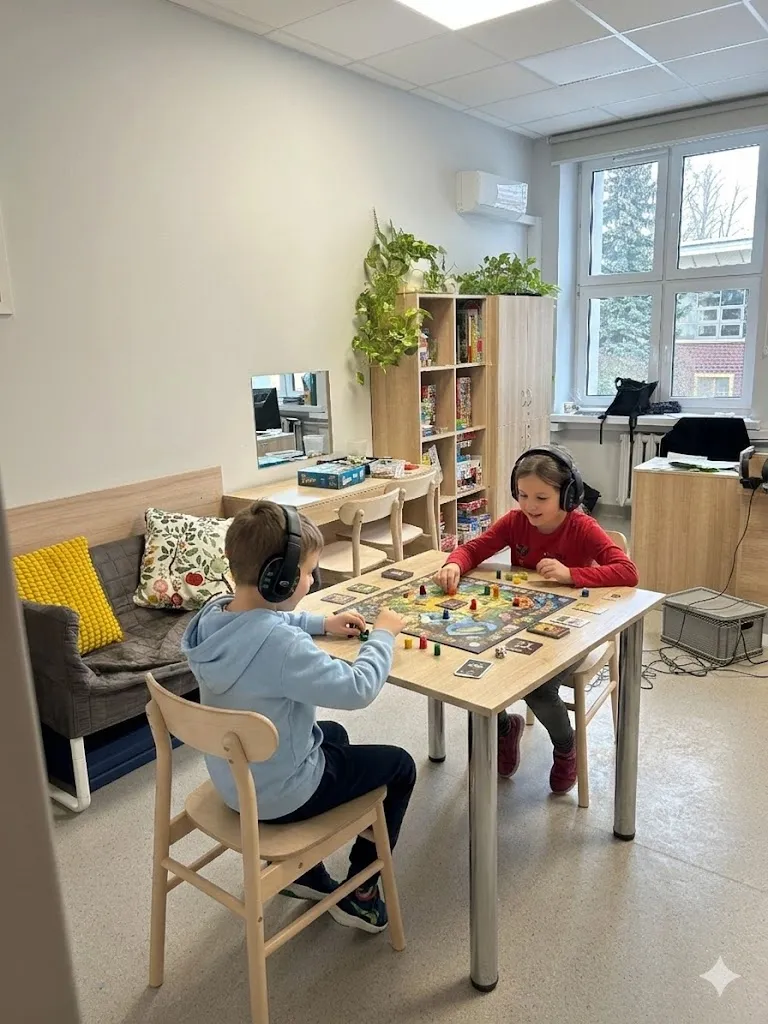
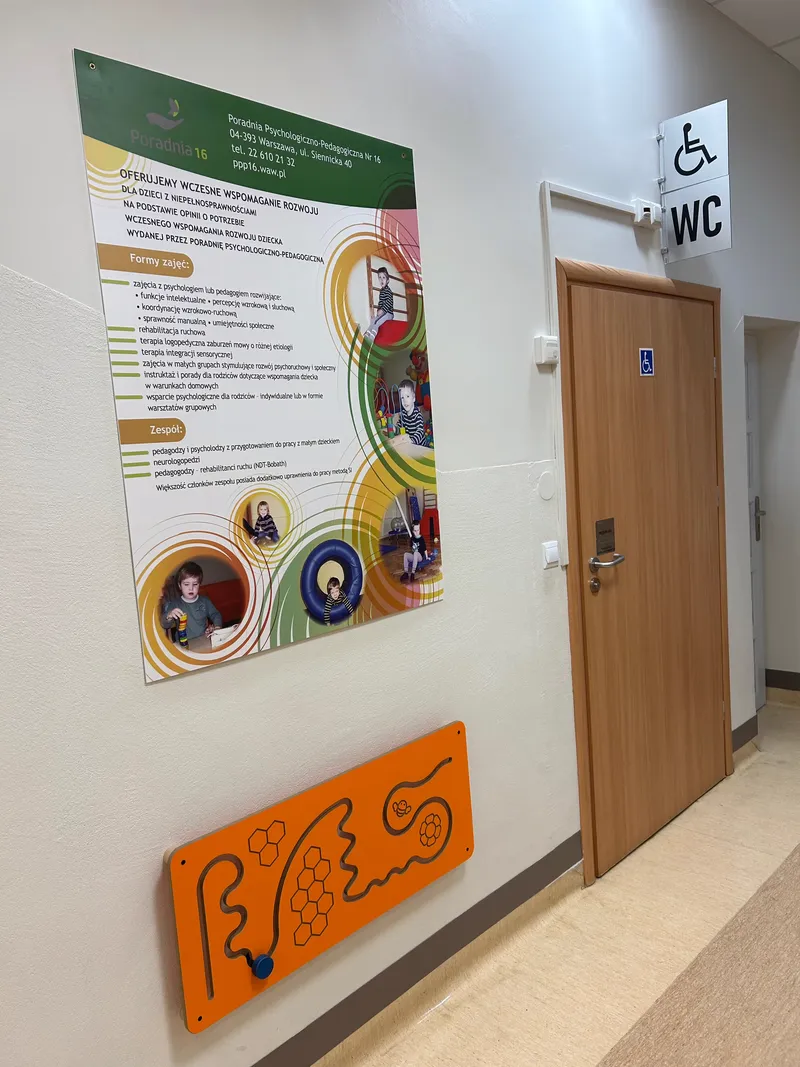
Get to know our Centre
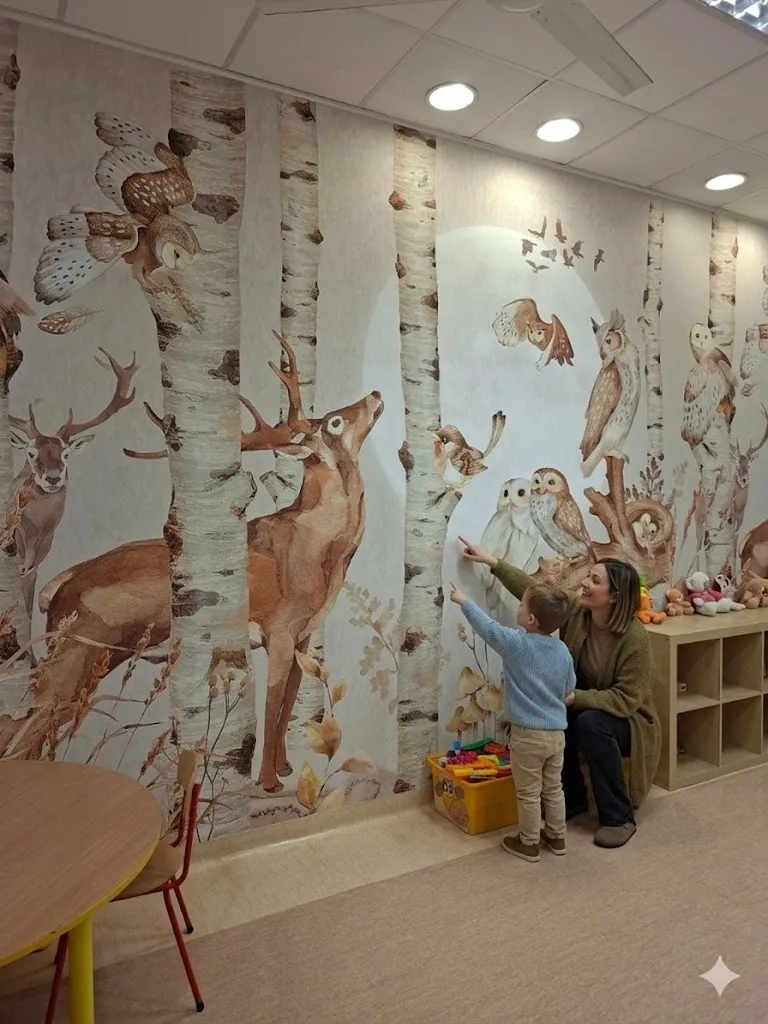
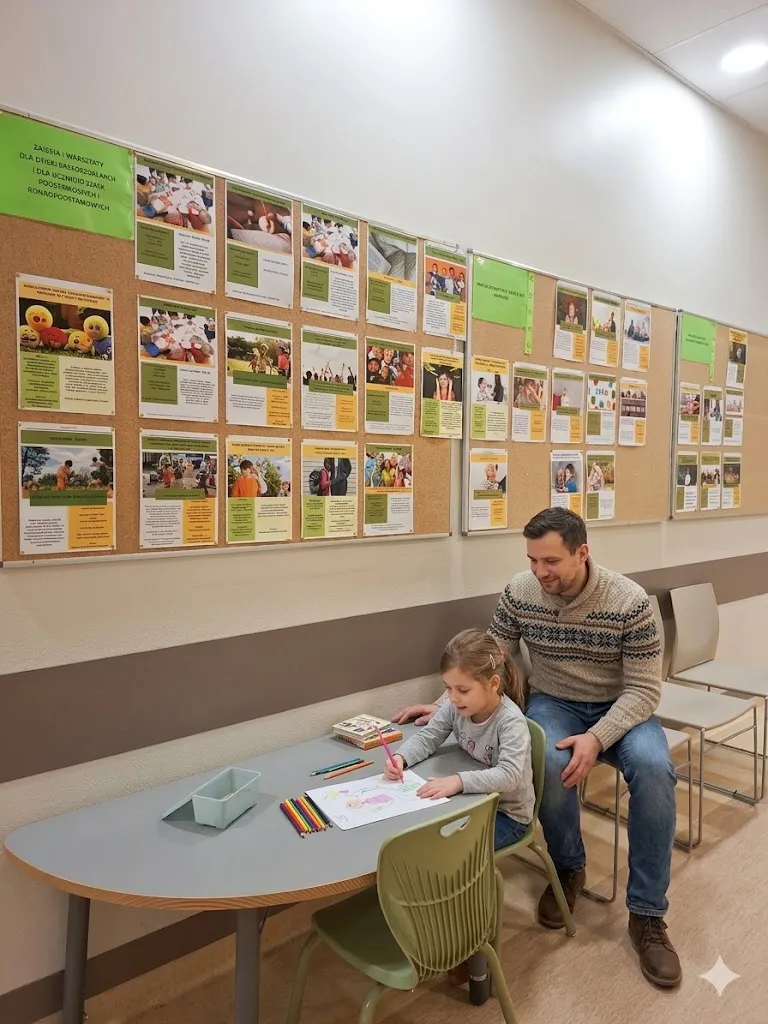
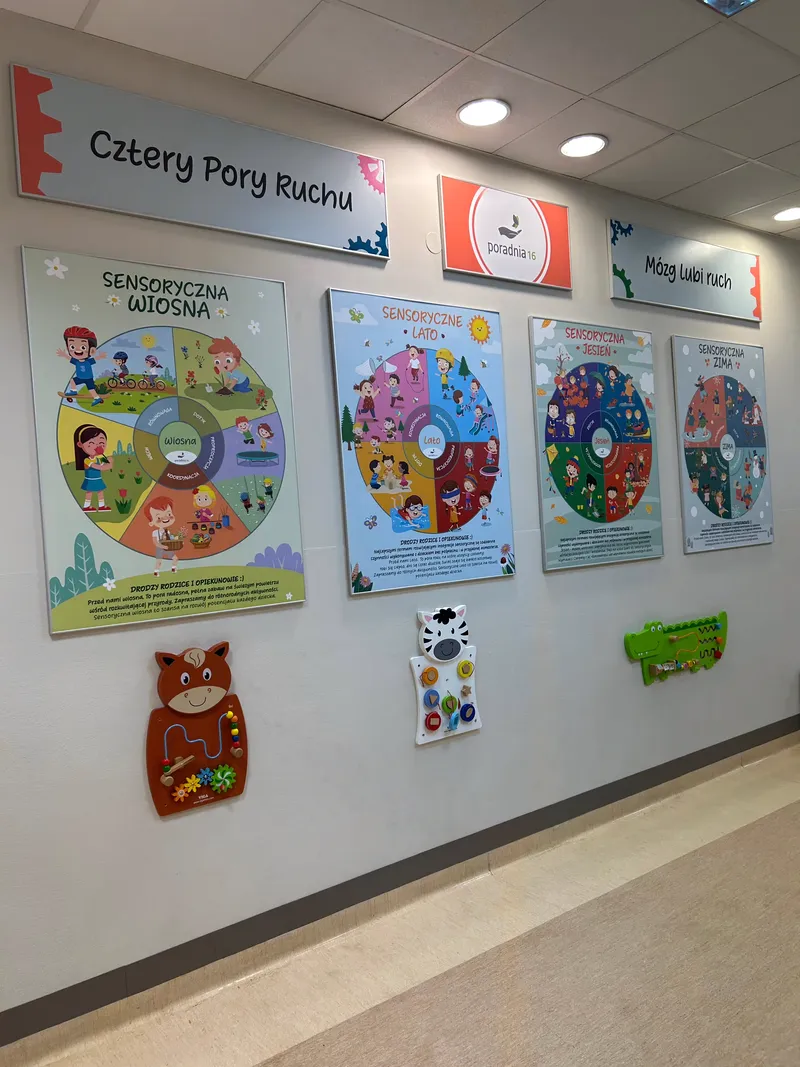
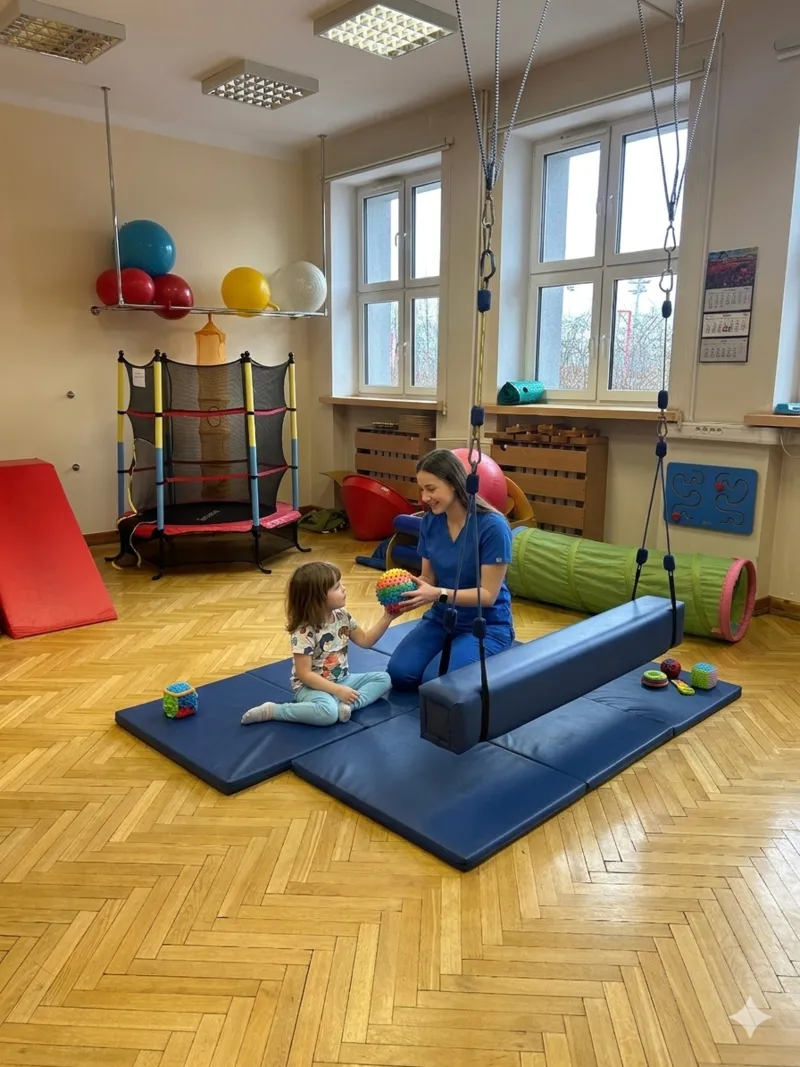
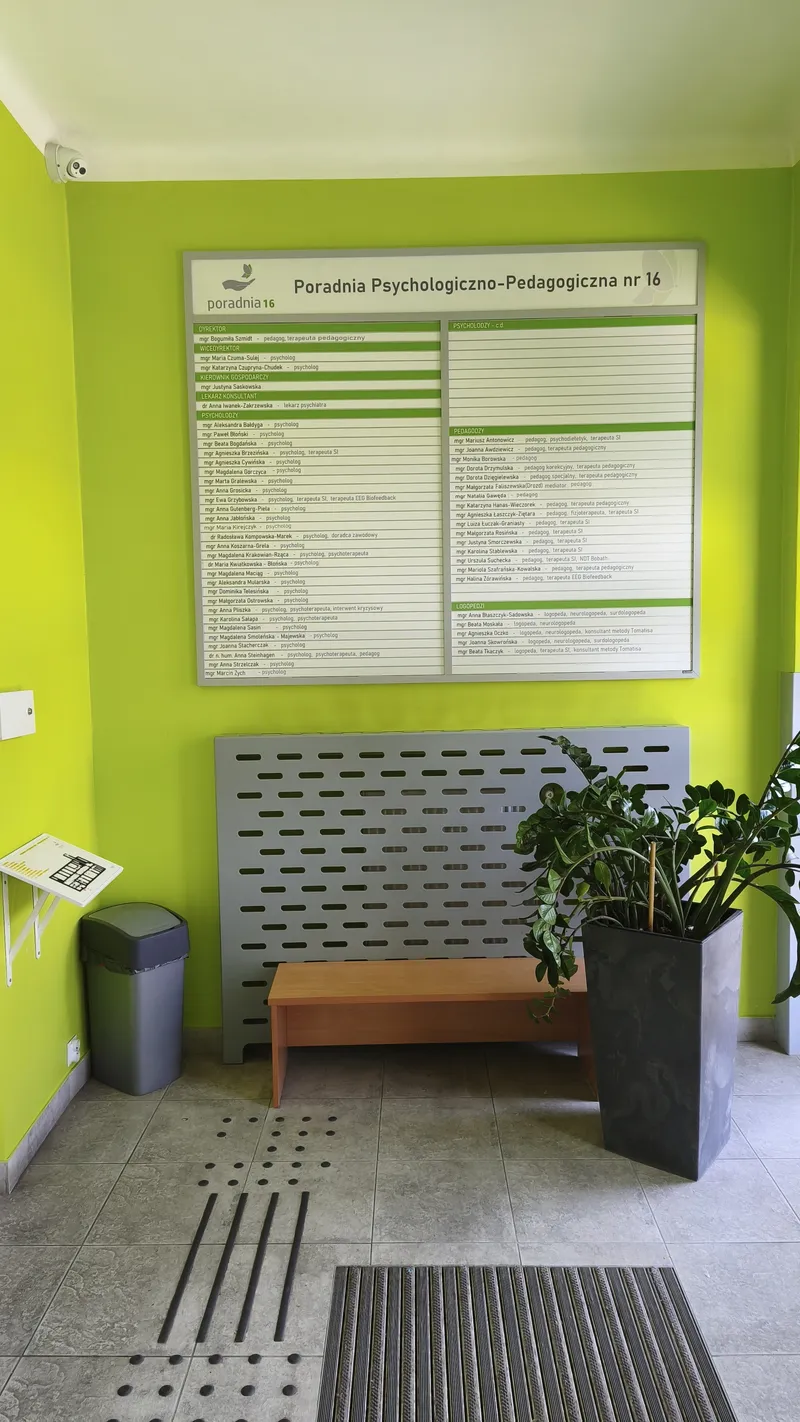
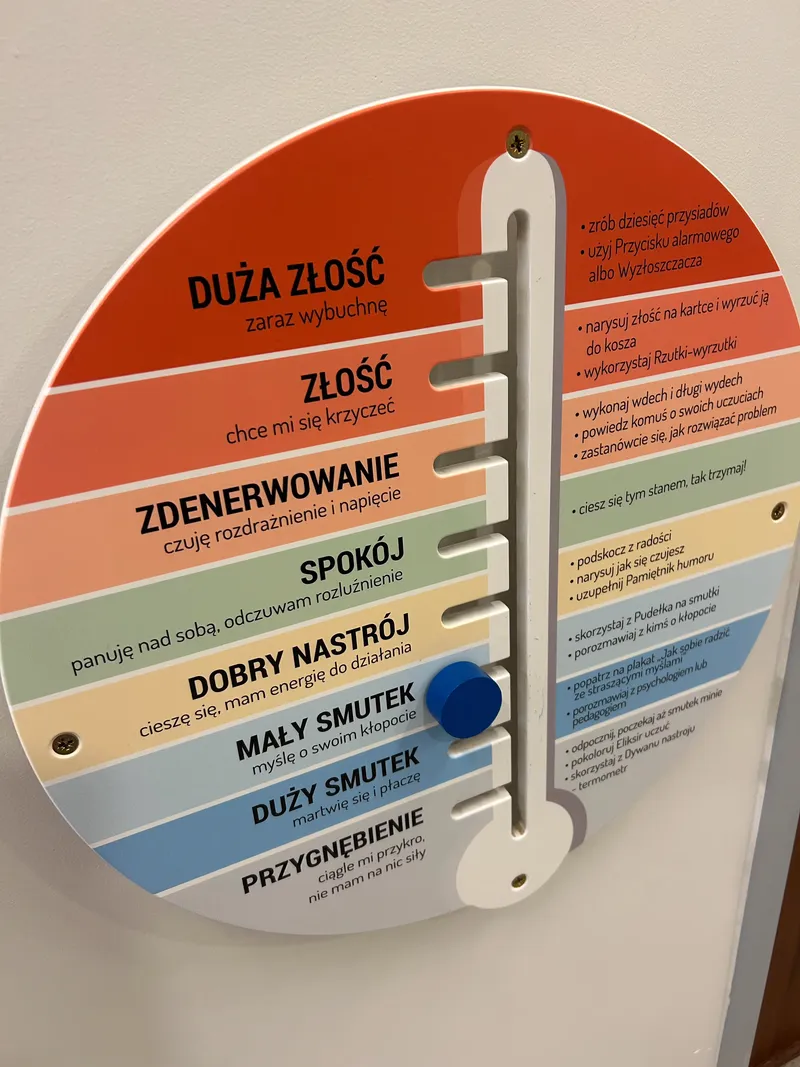
See what our consulting and therapy rooms look like.

News
What's new at the Centre? Here you will find information about upcoming events, new classes and important announcements.