Mediation and crisis intervention
MEDIATION
Mediation is a method of resolving conflicts. It is a process in which, with the help of an impartial and neutral mediator, the parties to a conflict can work out an agreement that - in the view of each of them - will be fair and just.
Principles of mediation:
Mediation is based on a few fundamental principles. Observing them largely determines its positive outcome:
- confidentiality;
- voluntariness;
- acceptability;
- neutrality;
- impartiality.
Our mediation services are aimed at schools and educational institutions that wish to use the help of experienced mediators in resolving conflicts within the institution (conflicts: large-scale peer conflicts; conflicts between parents and children; conflicts between parents and school/institution staff; conflicts arising from relationships in the school/institution environment; etc.).
We also provide family mediation (help in resolving conflicts concerning the child's upbringing), to which families are referred by a PPP No. 16 psychologist after a prior consultation.
Mediation conducted at the Centre is not court-ordered mediation.
COACHING
Coaching is a process of helping another person with the aim of reaching their peak potential. It involves developing that person's strengths and helping them overcome inner resistance and go beyond their own limitations (Kilburg, 1996).
Group coaching involves a coach working with a group of several people on the individual goals of the group members. This type of coaching is used when working with groups of people who have similar needs, e.g. communication, creativity and innovation, or problem-solving. In this case, parents will work on individual goals related to parenthood, the desired parental attitude, bringing up children and the possibilities of using the parent's resources in planning the child's further education (the final years of primary and lower secondary school).
Group coaching is intended for parents. Individual coaching is intended for school heads and specialist teachers (education specialists, psychologists and others). Team coaching is available at a school's request.
SUPERVISION
Supervision is intended for teachers, specialist teachers and heads of educational institutions.
Supervision helps to see the boundary between the responsibility arising from the role of the person providing help/support and the responsibility of the client.
Supervision is a process that makes it possible to take a closer look at the difficulties that arise when providing support and to find an individual way of dealing with them. Strengthening this skill benefits not only the helper but also the person receiving their help.
Taking part in supervision helps to look at a problem from different perspectives and to see it in a wider context, which makes it easier to understand it and find the right solution. Being able to recognise and understand one's own emotions, as well as clients' emotions, attitudes and needs, helps to reduce or let go of tension, frustration and many negative feelings.
CRISIS INTERVENTION
A form of help in a sudden and unexpected difficult situation - a crisis. Children, young people and their parents are referred to a crisis intervention specialist by the Centre's psychologist assigned to the institution concerned, the head of the school/kindergarten, the school education specialist, a teacher who teaches them or the form tutor (the aim is to help the person in crisis as quickly as possible).
Work with children, young people and parents is based on crisis intervention procedures: assessment of the factor that triggered the crisis (e.g. trauma, bereavement, loss), and stabilisation and normalisation of the state of the child, young person or parent so as to remove the negative emotional, somatic and behavioural effects.
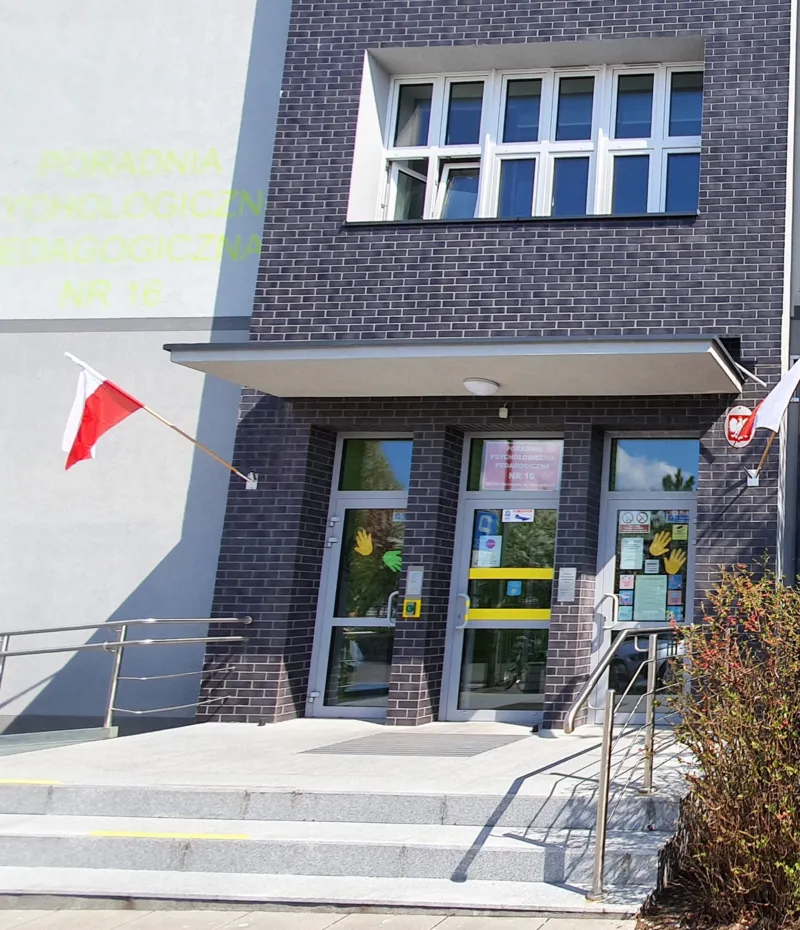
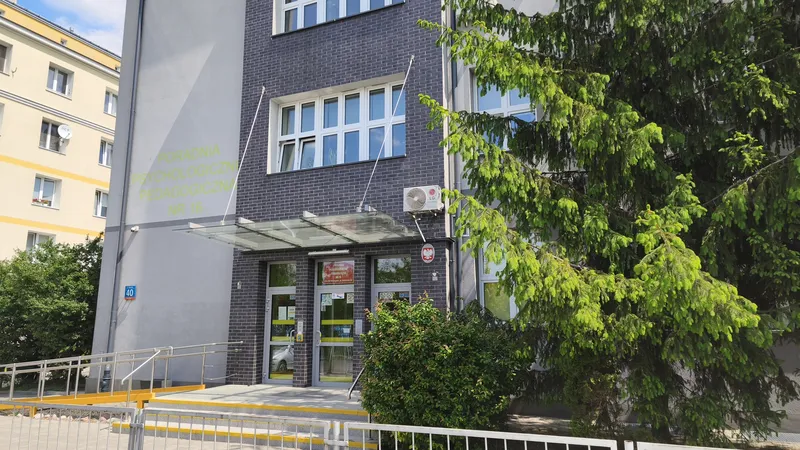
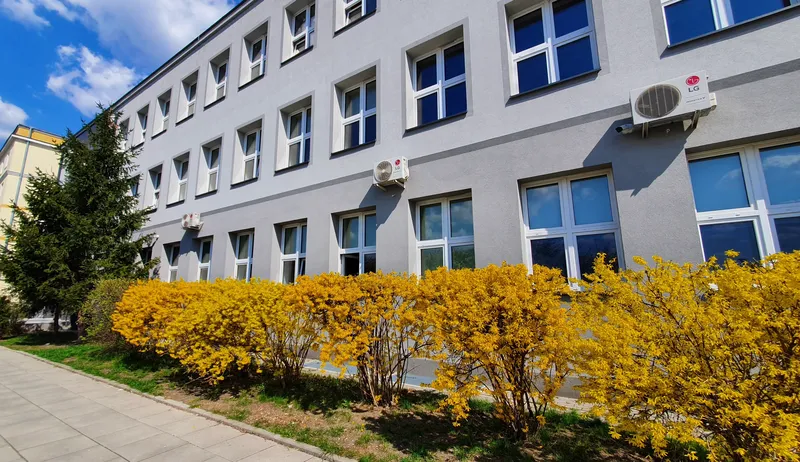
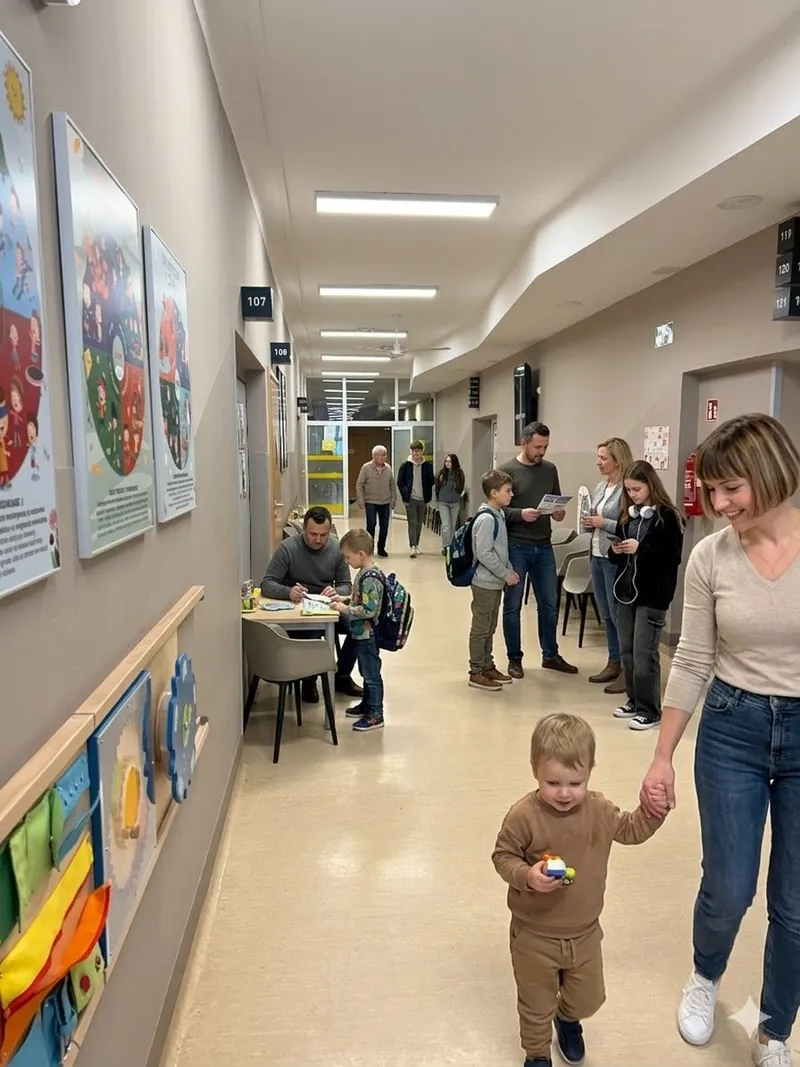
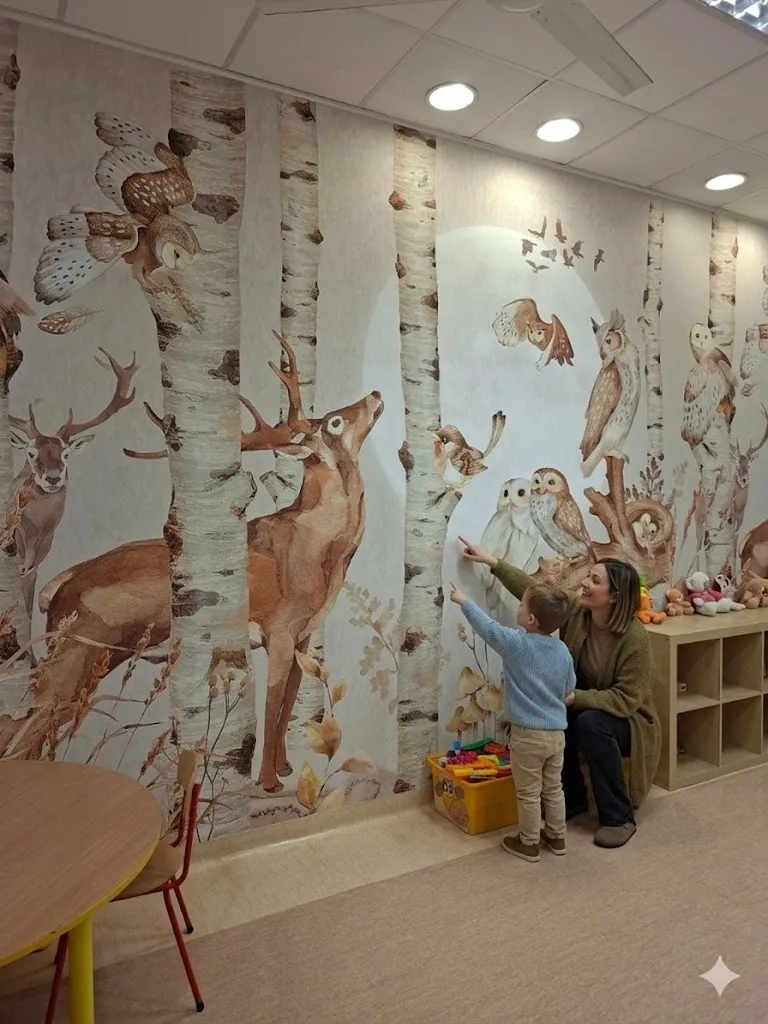
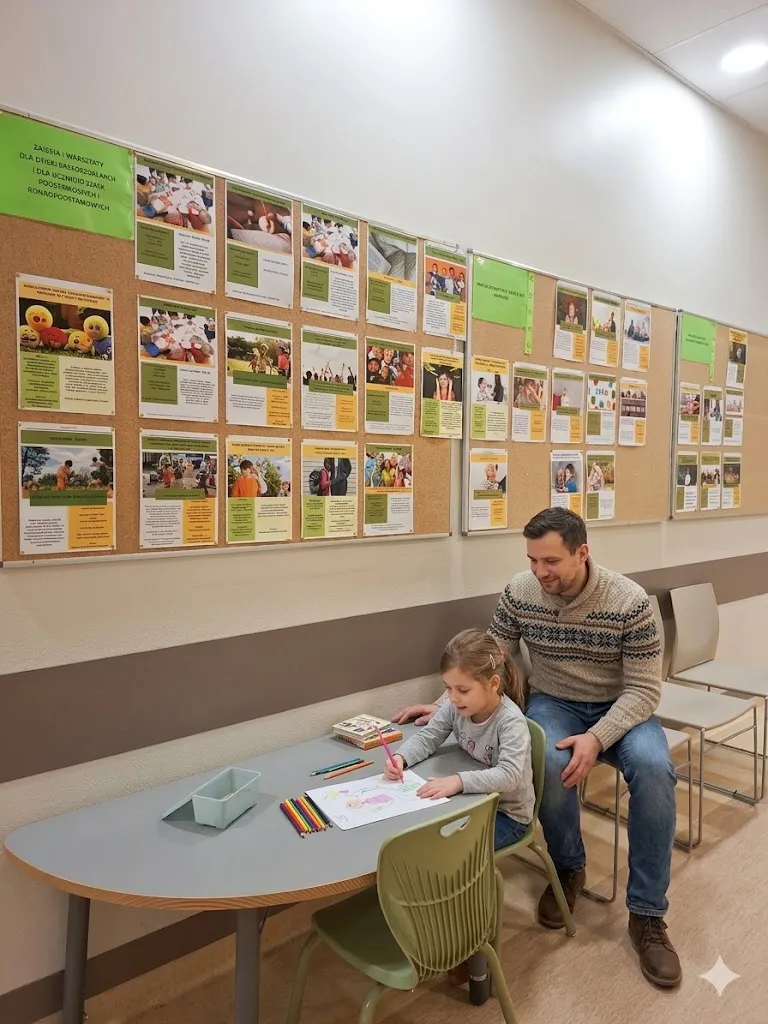
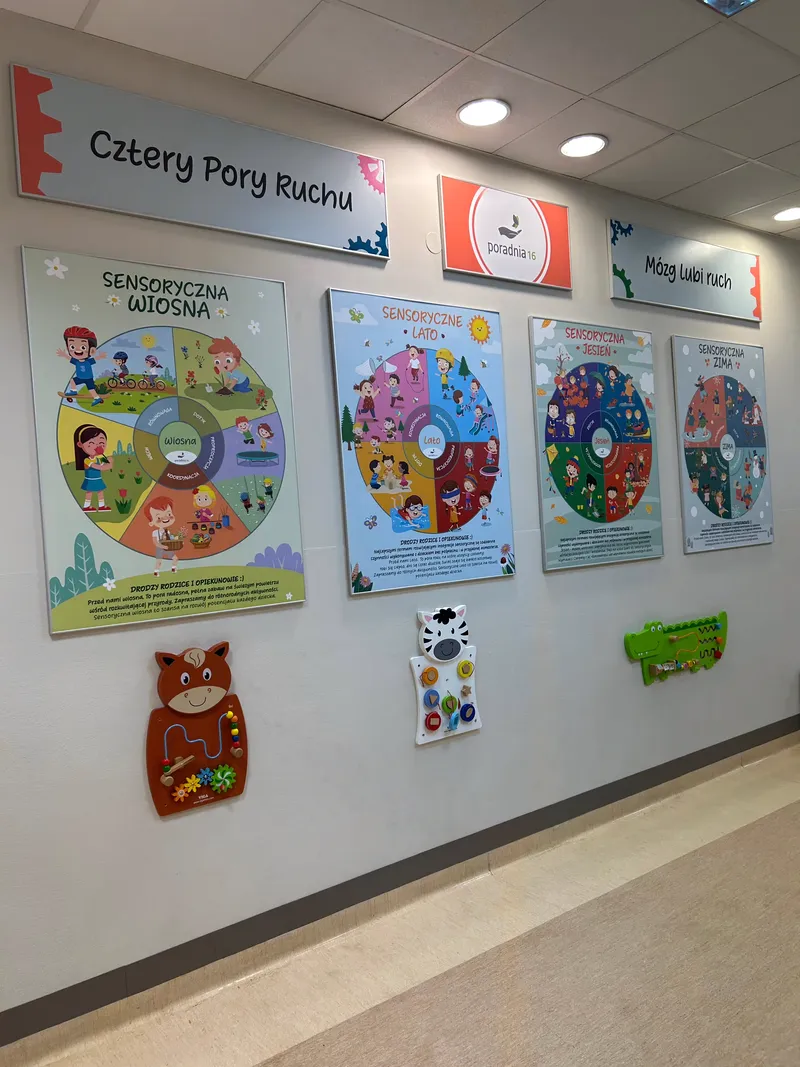
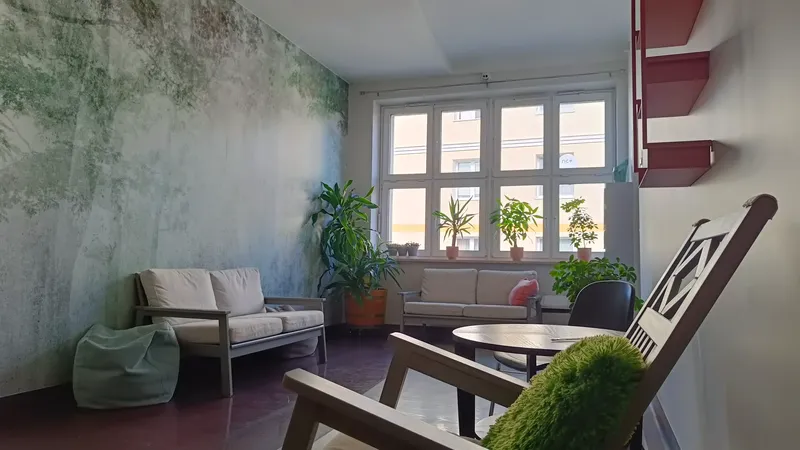
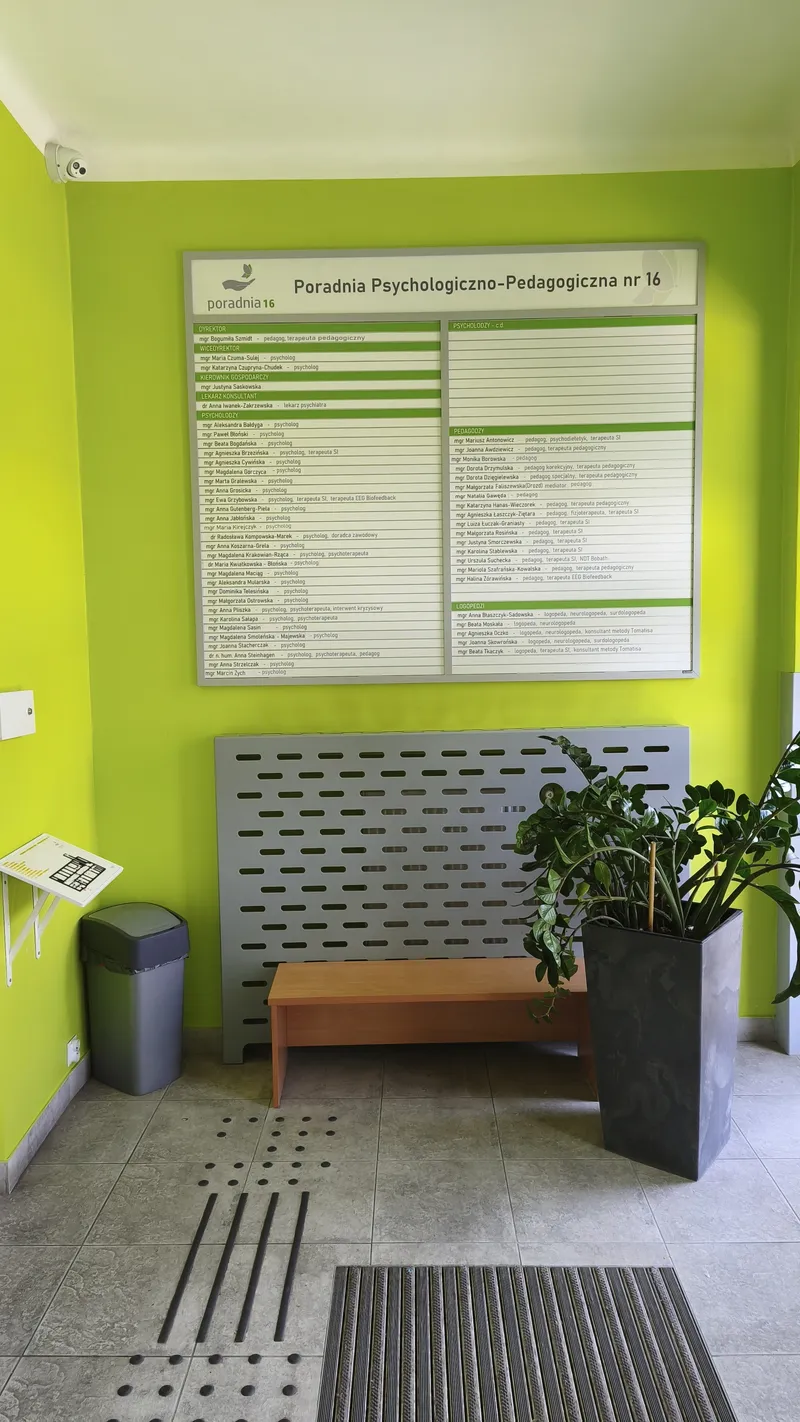
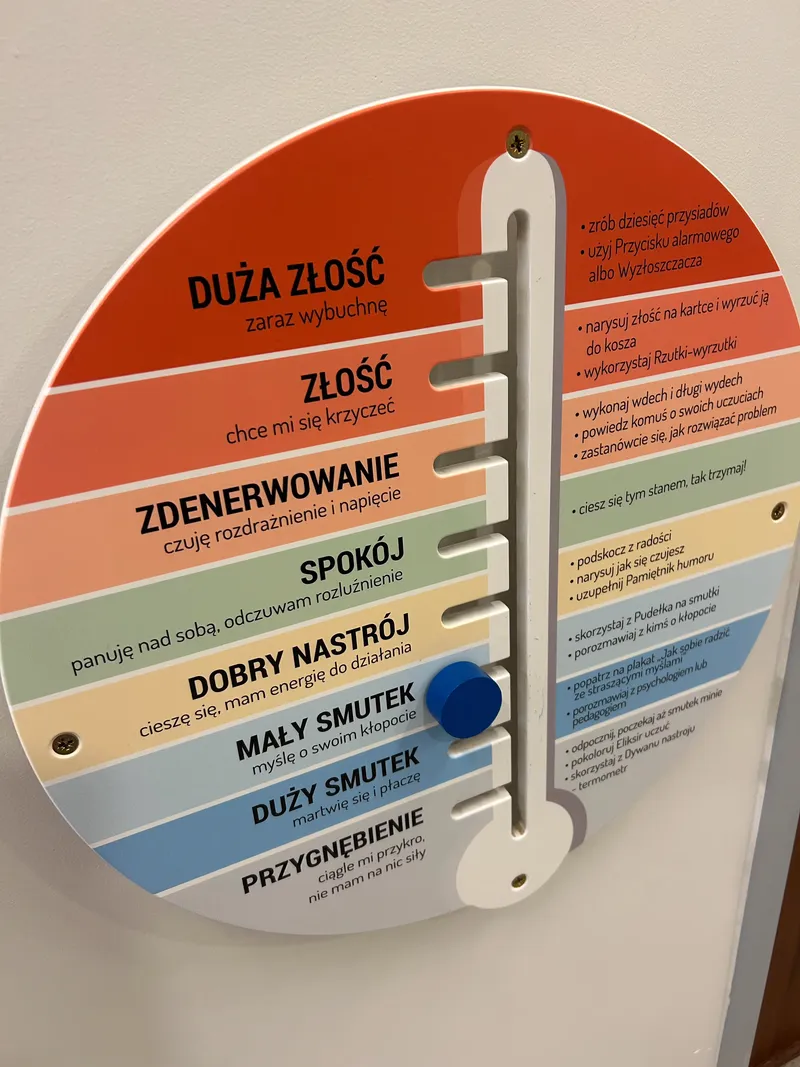
Get to know our Centre
See what our consulting and therapy rooms look like.
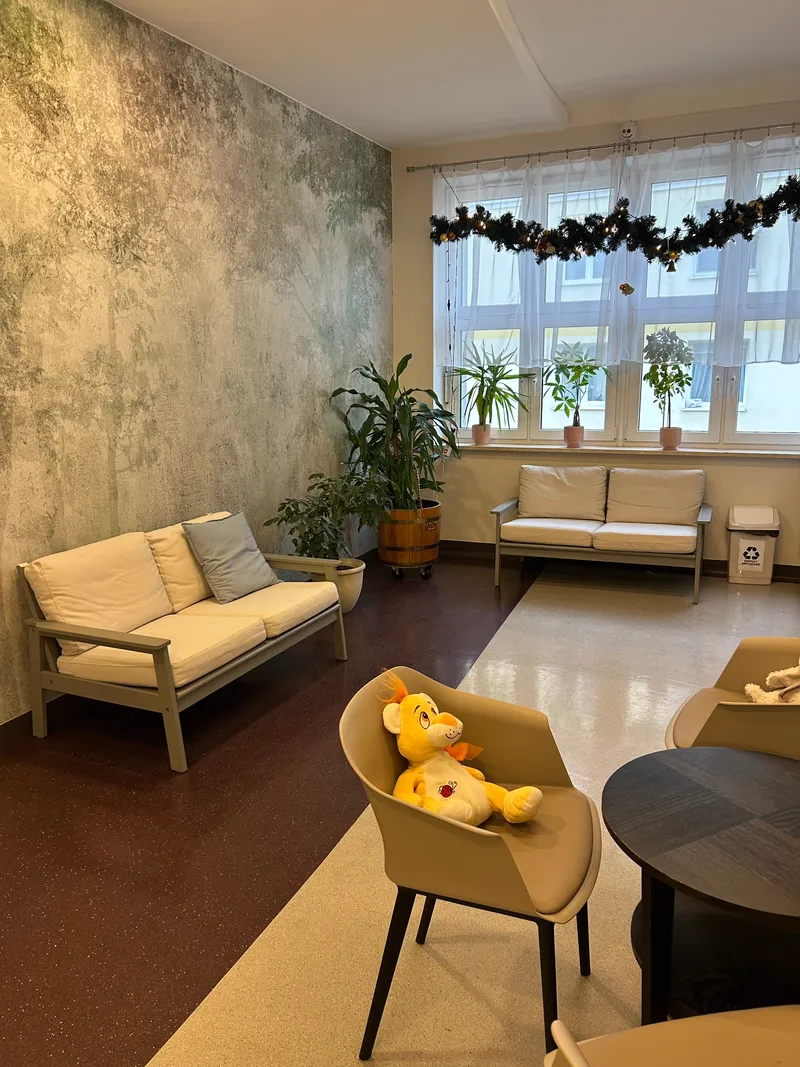
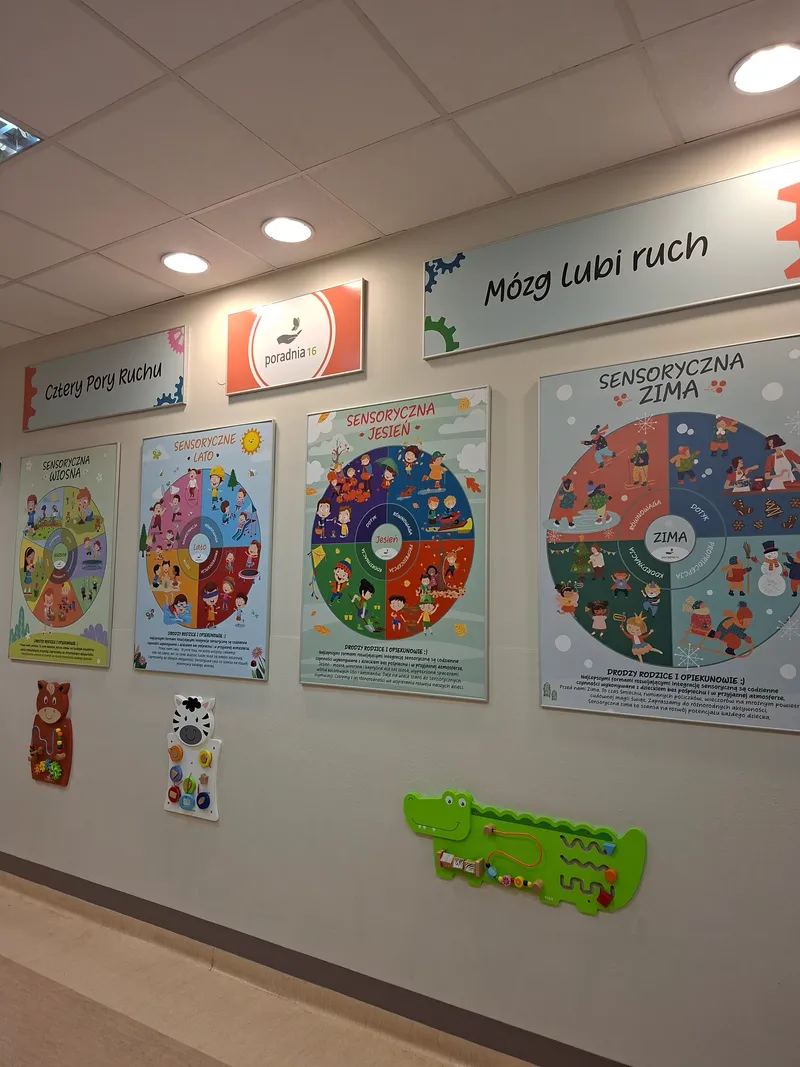
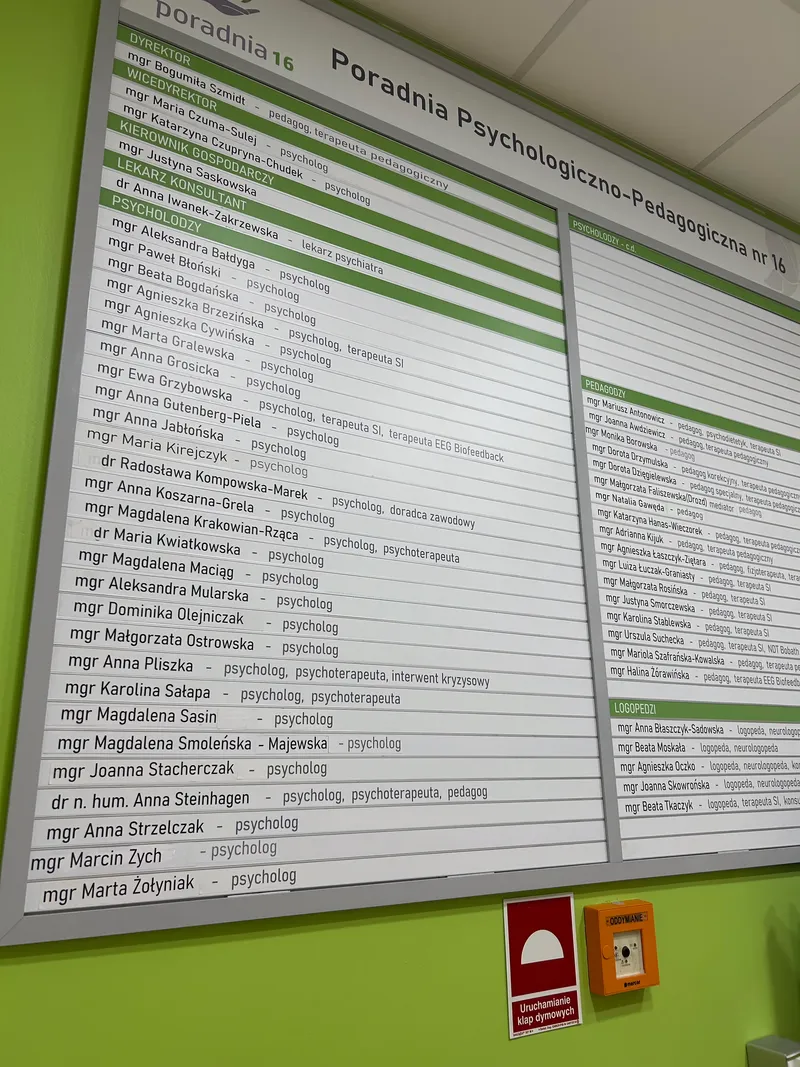
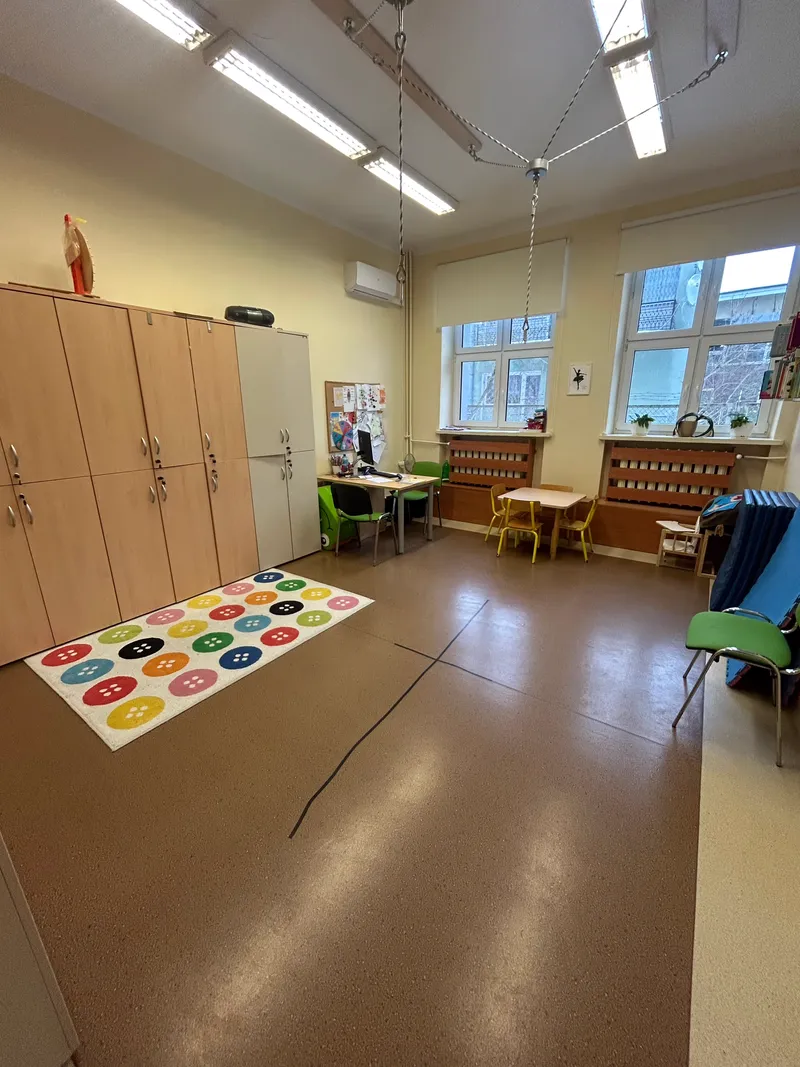
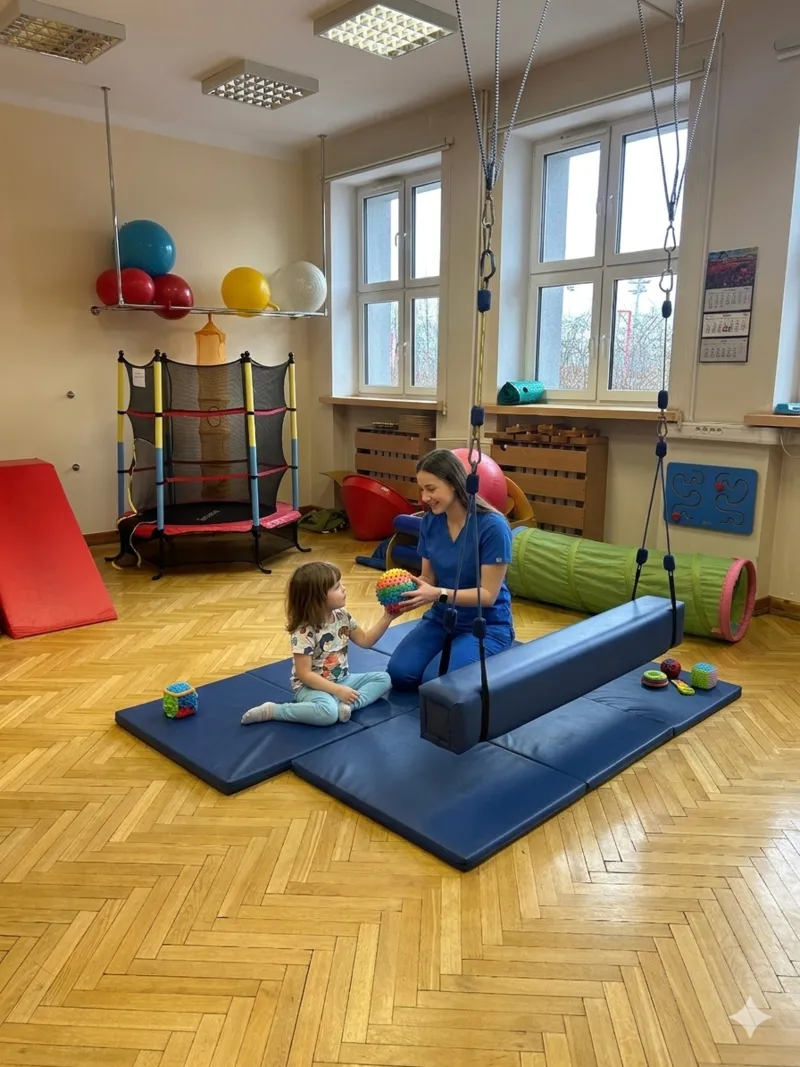
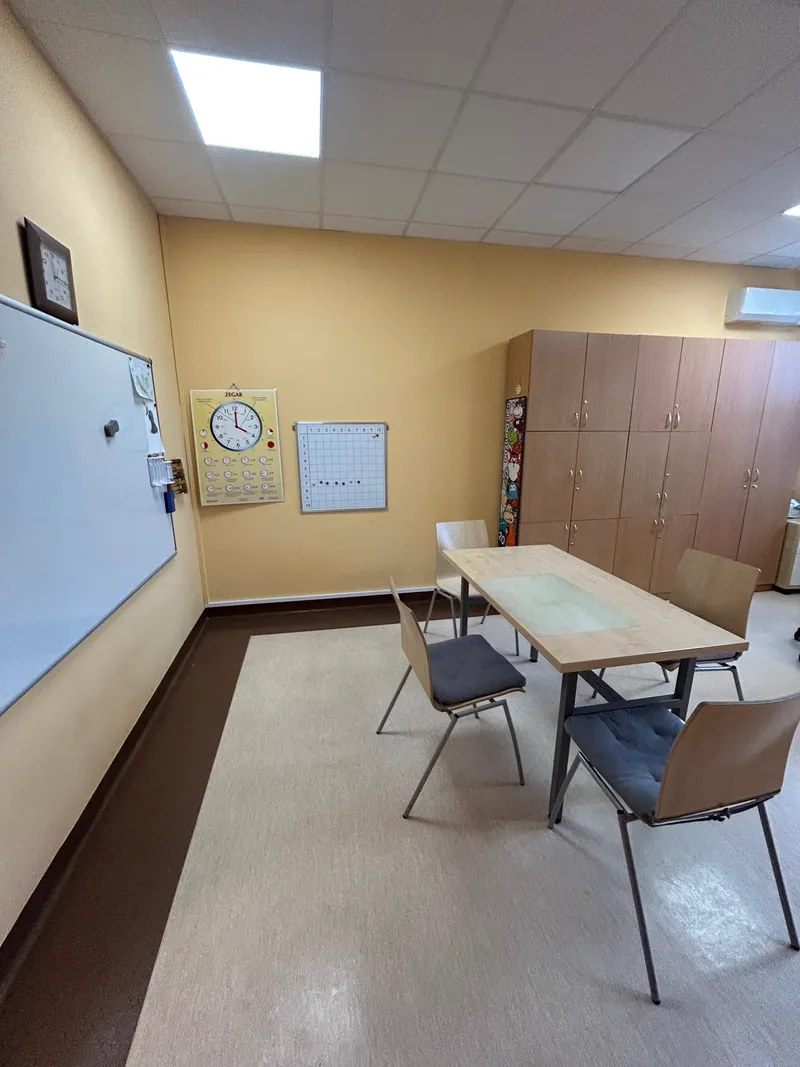
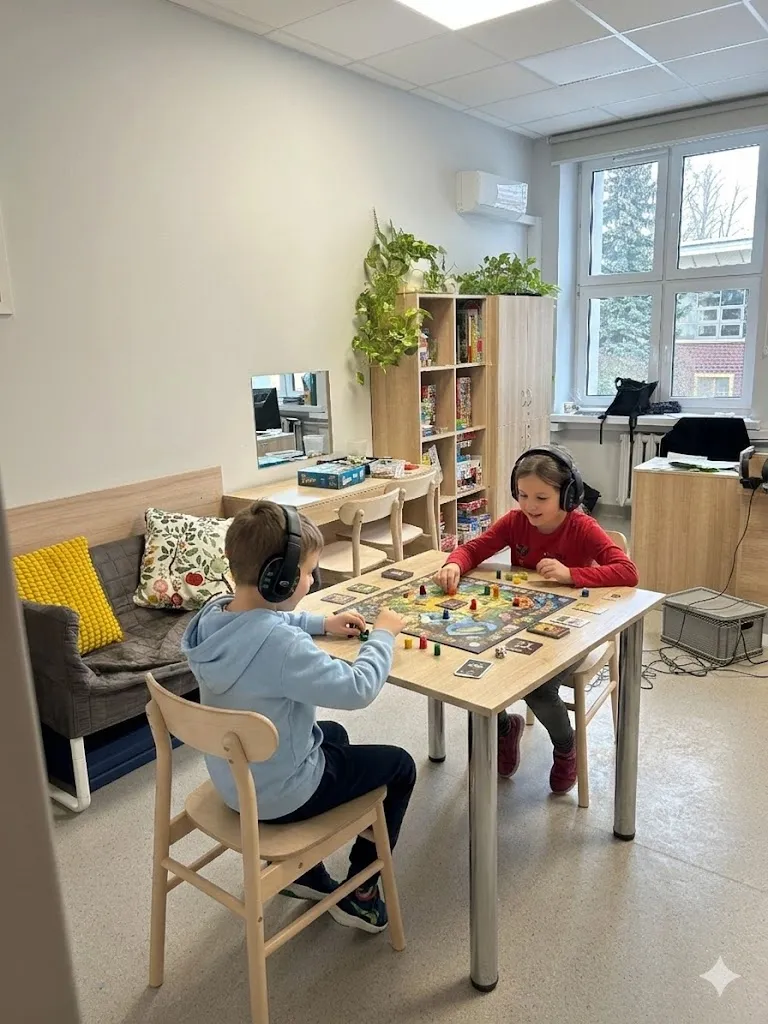
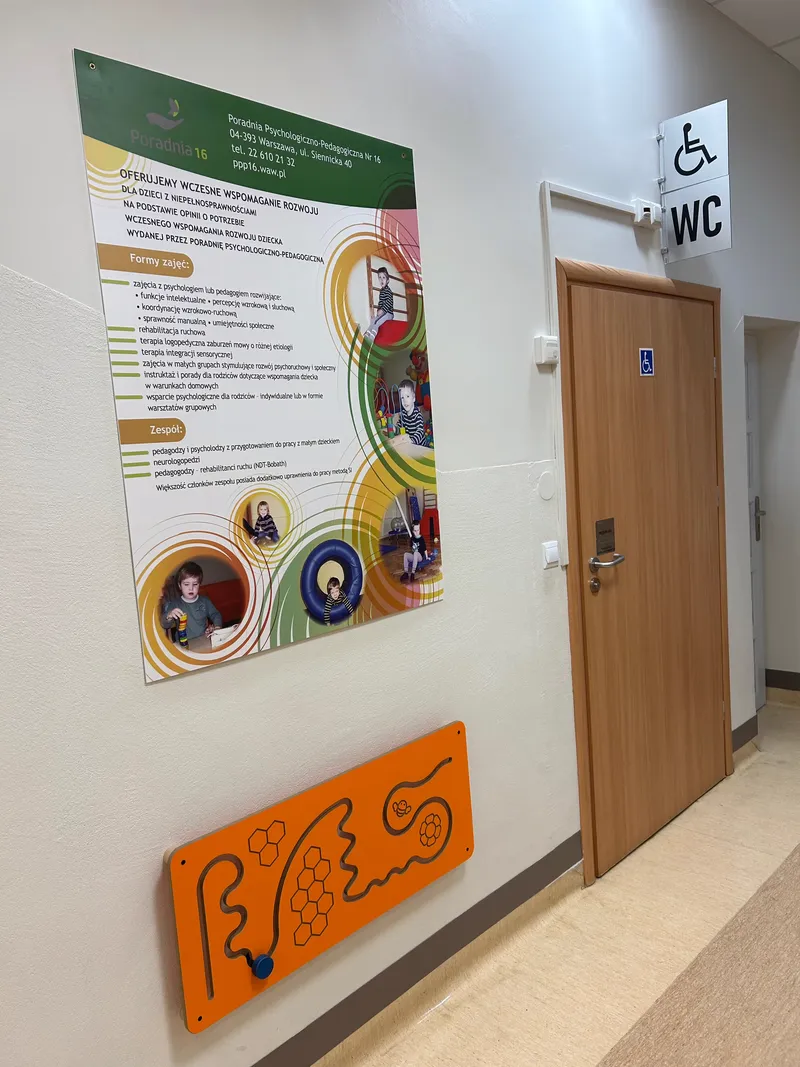
News
What's new at the Centre? Here you will find information about upcoming events, new classes and important announcements.