Assessment
PSYCHOLOGICAL ASSESSMENT
A psychological assessment is often the first step towards appropriate psychological and pedagogical assistance that supports the development of children and young people. Obtaining relevant information about various aspects of development makes it possible to pinpoint the causes of difficulties and take appropriate action. The areas assessed by the Centre's specialists include:
- assessment of the level of cognitive development;
- assessment of school readiness in preschool-age children;
- assessment of school difficulties in primary and secondary school pupils;
- assessment of emotional and social competences;
- assessment of behavioural difficulties in children and young people;
- assessment of giftedness.
EDUCATIONAL ASSESSMENT
An educational assessment identifies the cause of a child's difficulties at school. It includes an evaluation of school skills (reading speed and technique, comprehension, and the accuracy of writing in terms of both handwriting and spelling) and an evaluation of the functioning of the basic analysers: visual-motor, visual-spatial and auditory-linguistic. The aim of this examination is to determine the pupil's knowledge and practical school skills in relation to the curriculum requirements for the child's year group.
EDUCATIONAL ASSESSMENT IN MATHEMATICS
The aim of the mathematics assessment is to identify the type and causes of underachievement in learning mathematics.
The mathematics assessment determines:
- the level of mathematical skills
- the level of maturity of operational reasoning
- the efficiency of the functions involved in the child's mathematical activity
Thanks to the assessment, you can also find out how the child can be supported in learning mathematics so that they can meet the school's curriculum requirements.
SPEECH AND LANGUAGE ASSESSMENT
A speech and language assessment makes it possible to evaluate the level of a child's speech development. The examination establishes which speech sounds the child produces incorrectly, what is causing the speech sound disorder and what impact the disorder has on communication and on the child's functioning. Determining the level of the child's speech development involves examining how the child speaks and how they understand speech, preceded by an interview with the parents. The information obtained in this way helps the speech therapist identify the cause of the speech sound disorder and develop an effective therapy plan.
WARNKE METHOD ASSESSMENT
During the diagnostic procedure of the Warnke method, a dozen or so tasks are carried out to examine the degree of automaticity of various skills in the areas of:
- visual perception (for example, how quickly the child perceives stimuli);
- auditory perception (for example, distinguishing the pitch of sounds, hearing stimuli from different directions);
- motor skills (for example, visual-motor coordination, the ability to tap out a rhythm the child has heard).
The effectiveness of learning to read and write depends on how automatic these skills are and how well they work together.
SENSORY INTEGRATION ASSESSMENT
An assessment of sensory integration processes involves checking the child's muscle tone, coordination and fluency of body movement, balance and hand function. The therapist also checks body sensation (the ability to locate a touch stimulus). Parents provide a great deal of important information (during an interview and by completing questionnaires). This makes it possible to evaluate how stimuli from both the child's body and the external environment are organised.
ASSESSMENT AND CAREER GUIDANCE
An assessment of educational and career preferences and aptitudes helps to analyse career potential, identify strengths and discover talents, skills and abilities that have often gone unnoticed until now. The assessment consists of a series of meetings with the pupil in which, through conversation and also with the help of various diagnostic tools (career preference tests, multimedia and non-verbal tools, metaphorical cards), the pupil's strengths are identified with a view to choosing a secondary school or a university course. People who use the careers adviser's services become more self-confident and more aware of what today's labour market looks like and what they can expect after completing a particular course of education.
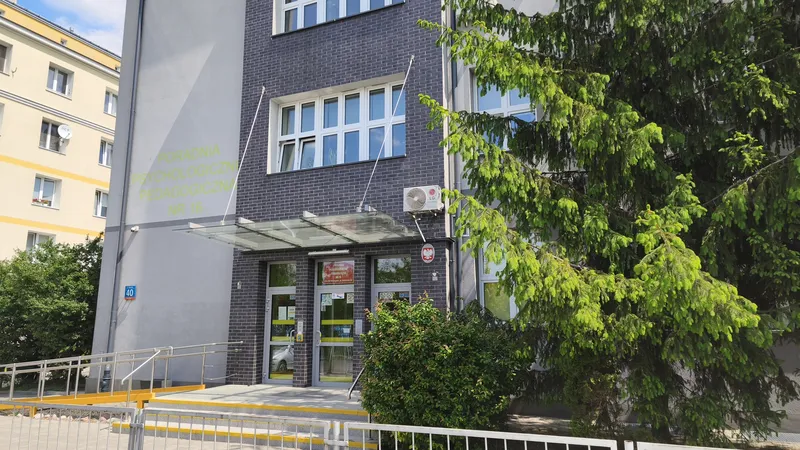
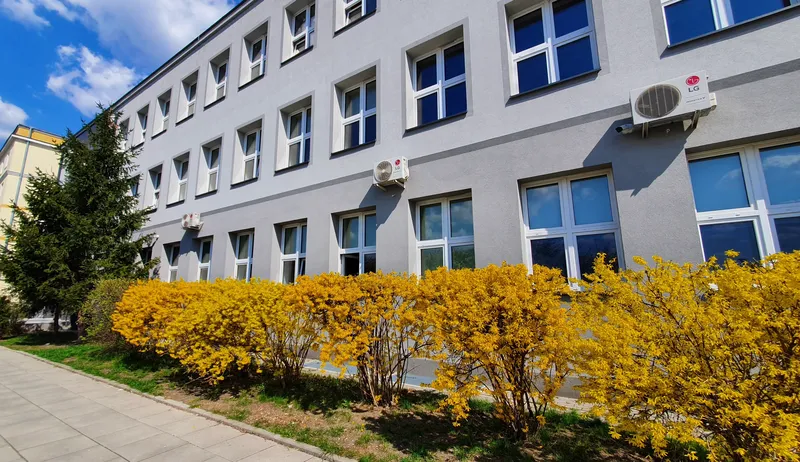
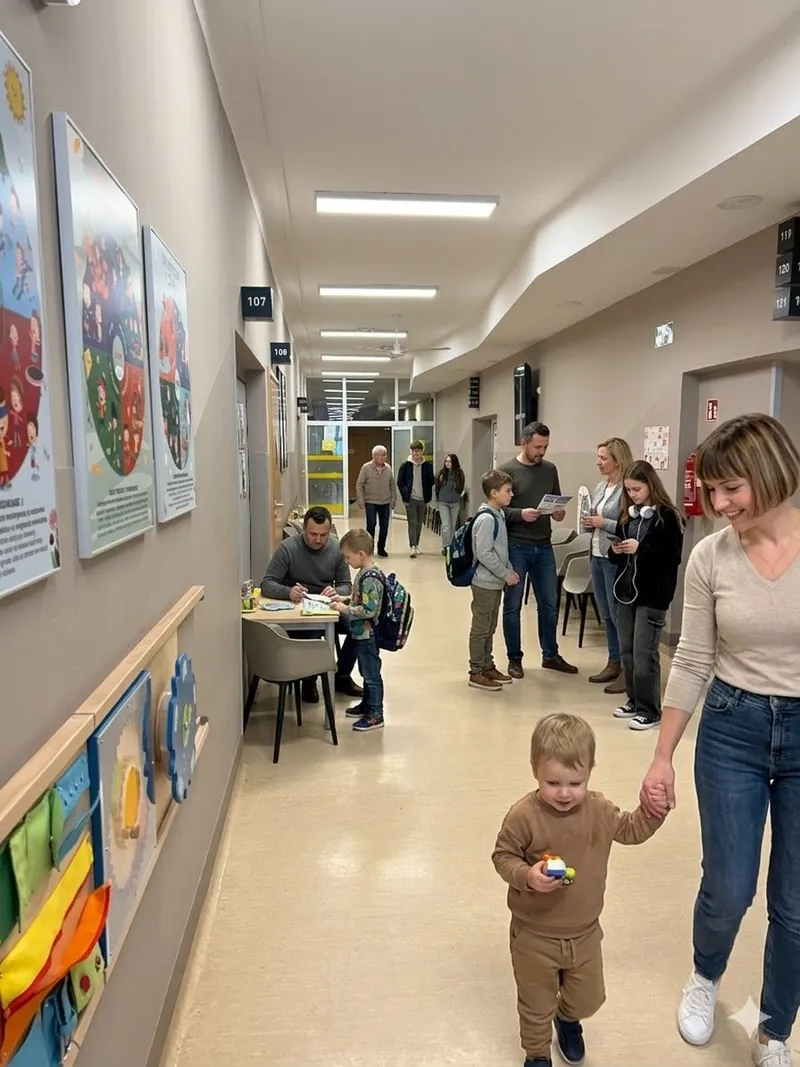
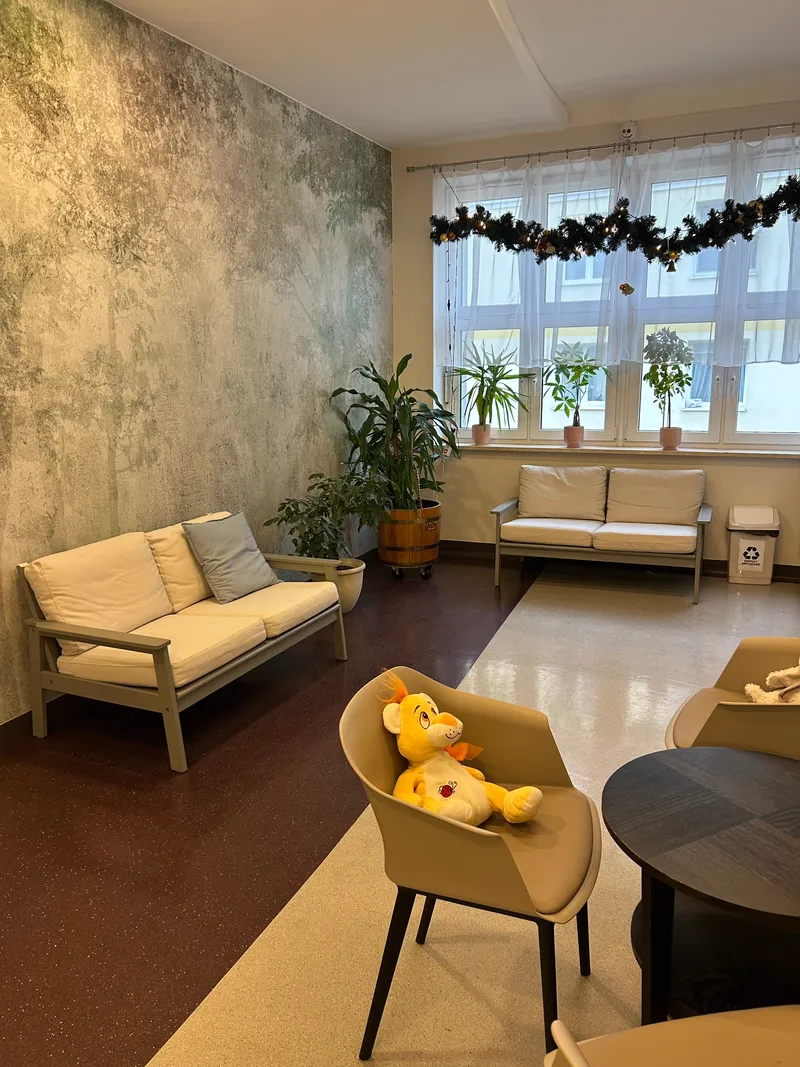
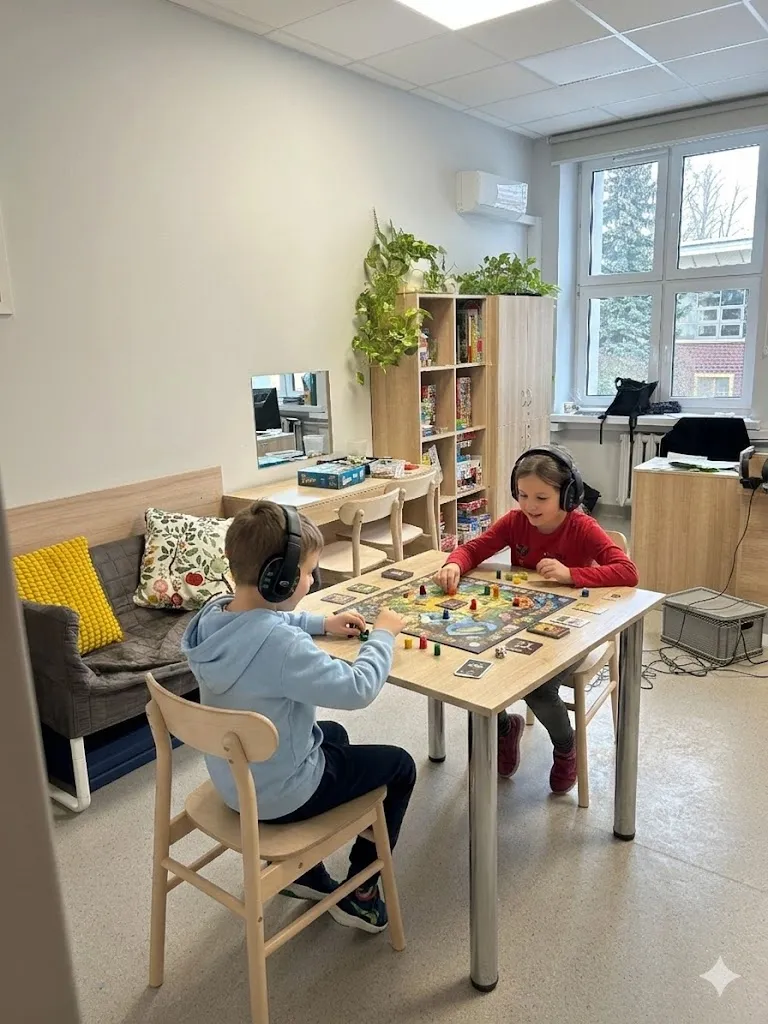
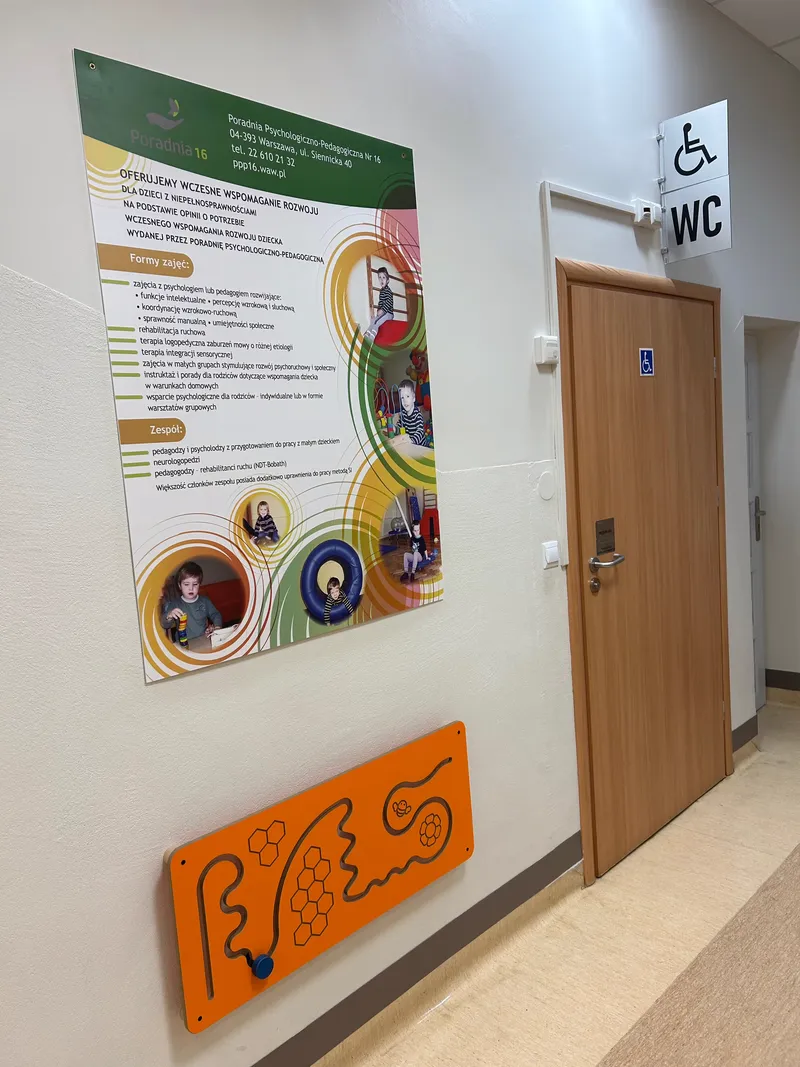
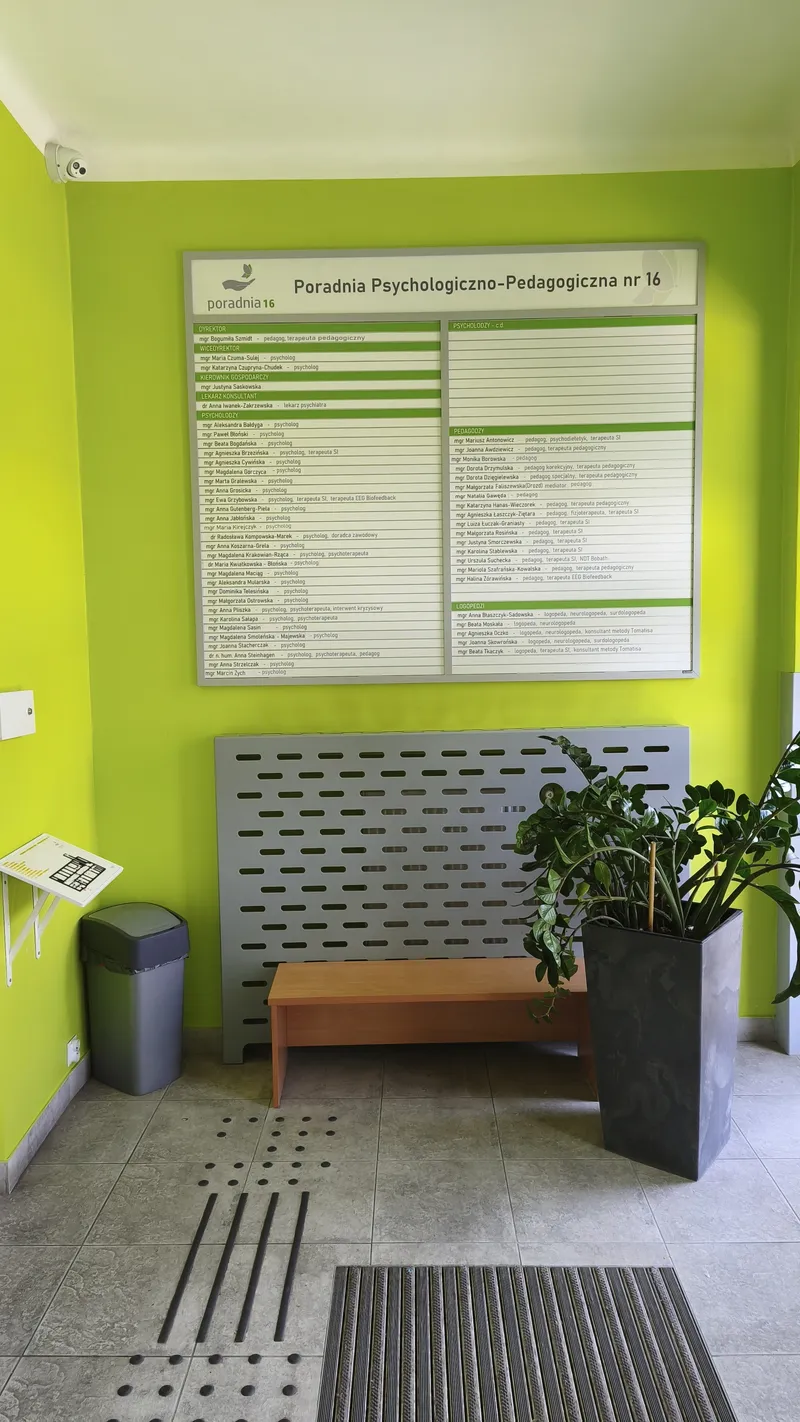
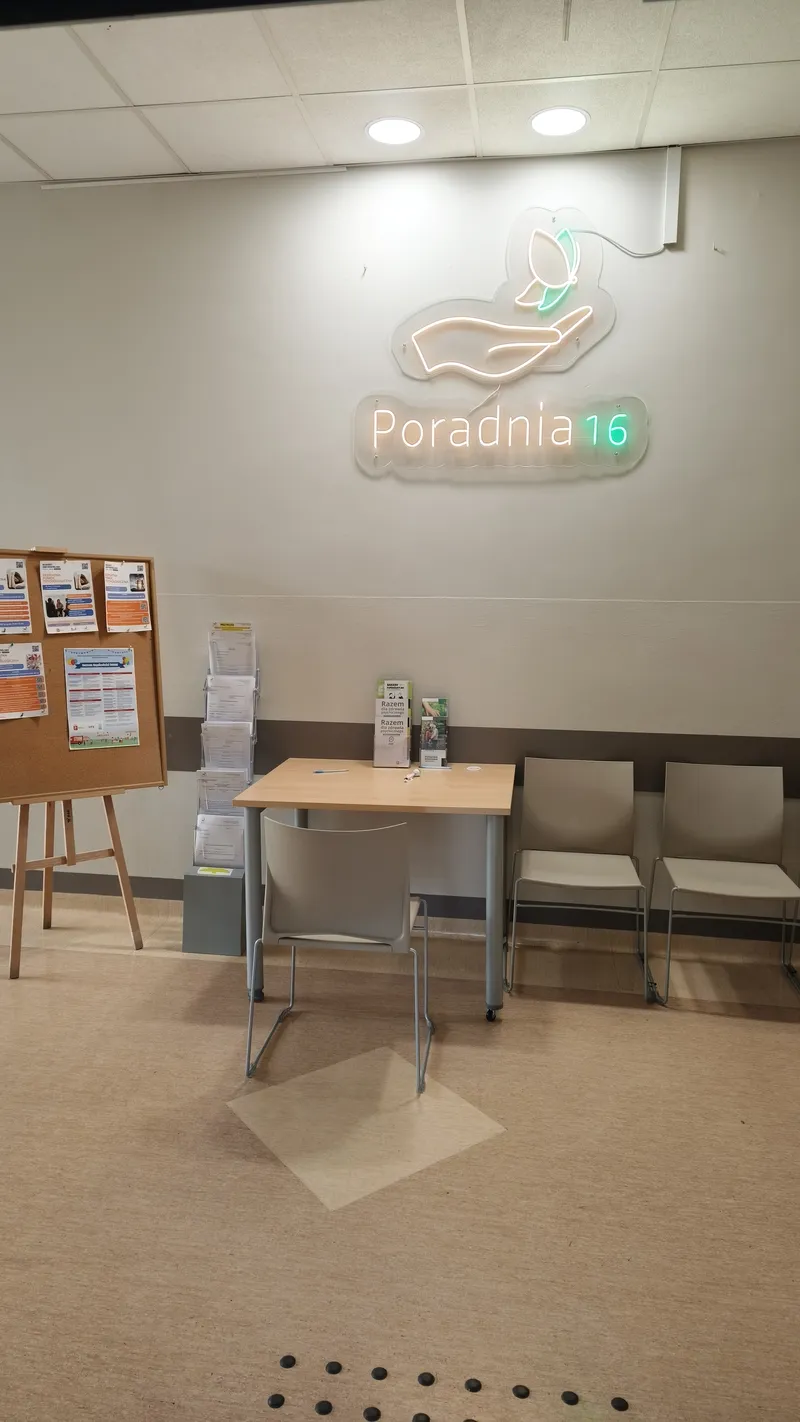
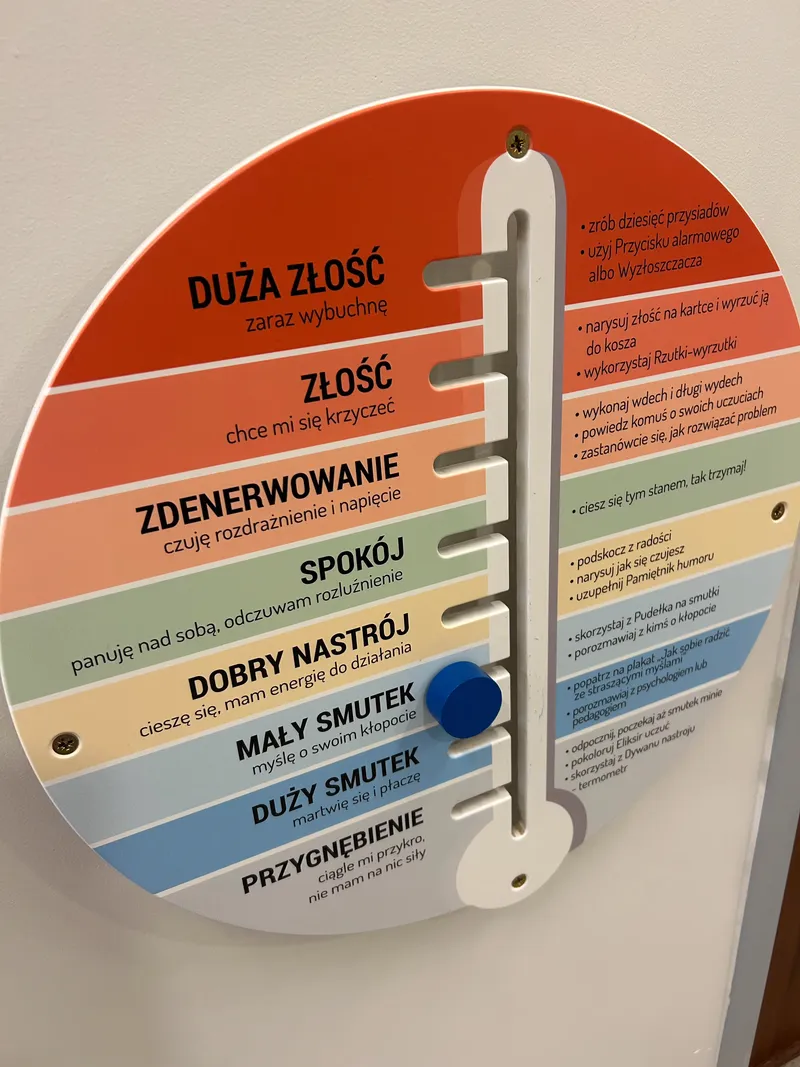
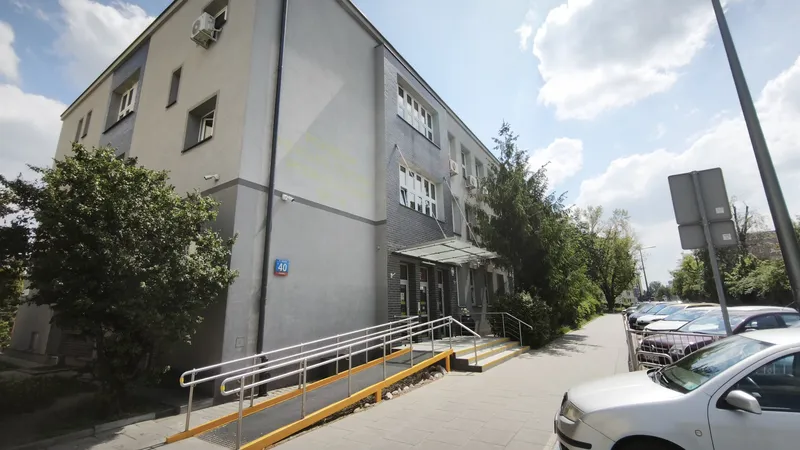
Get to know our Centre
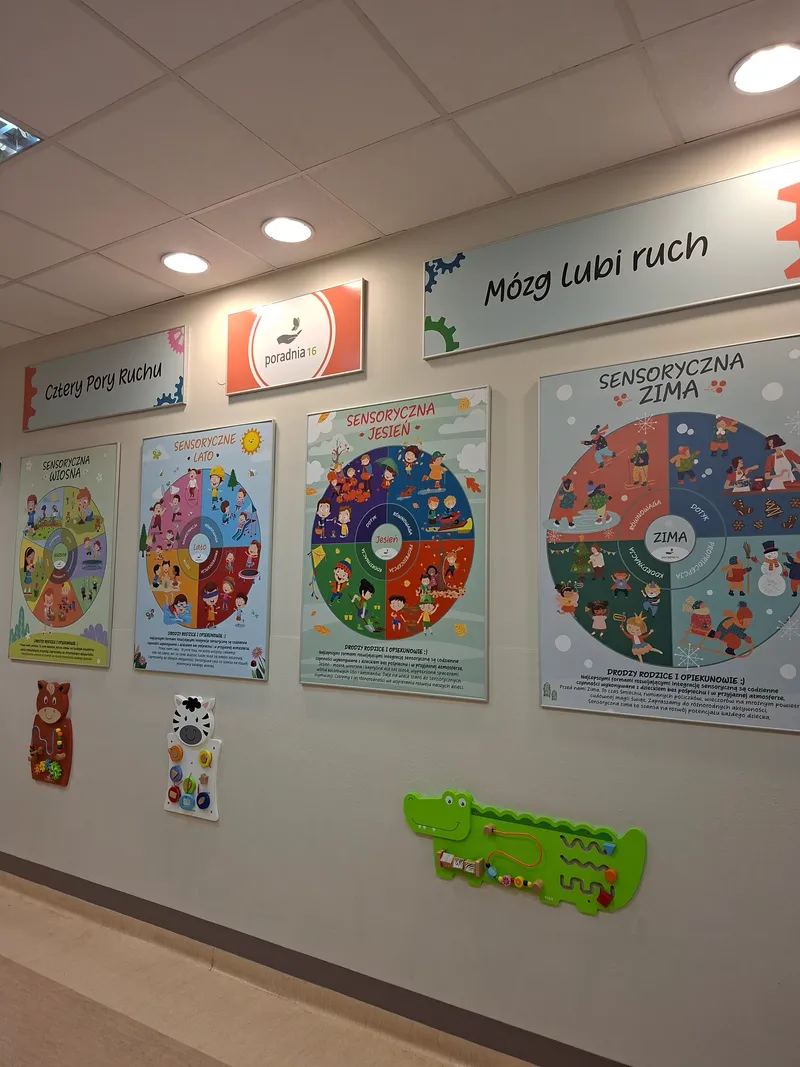
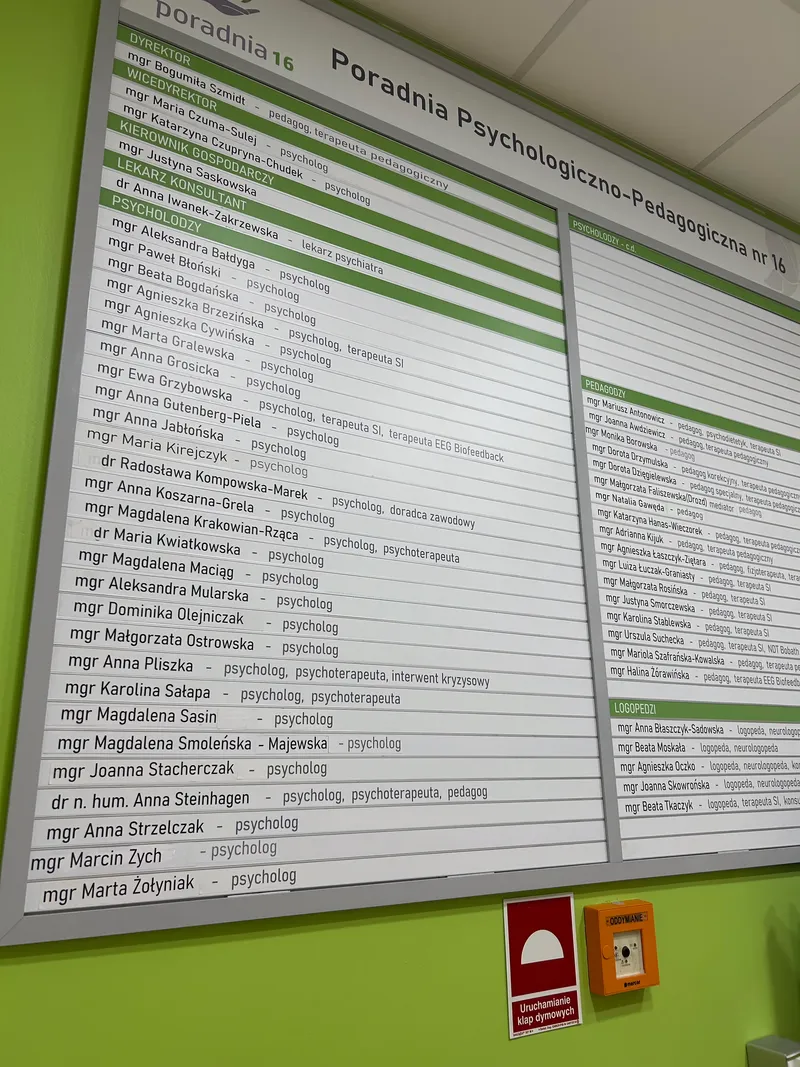
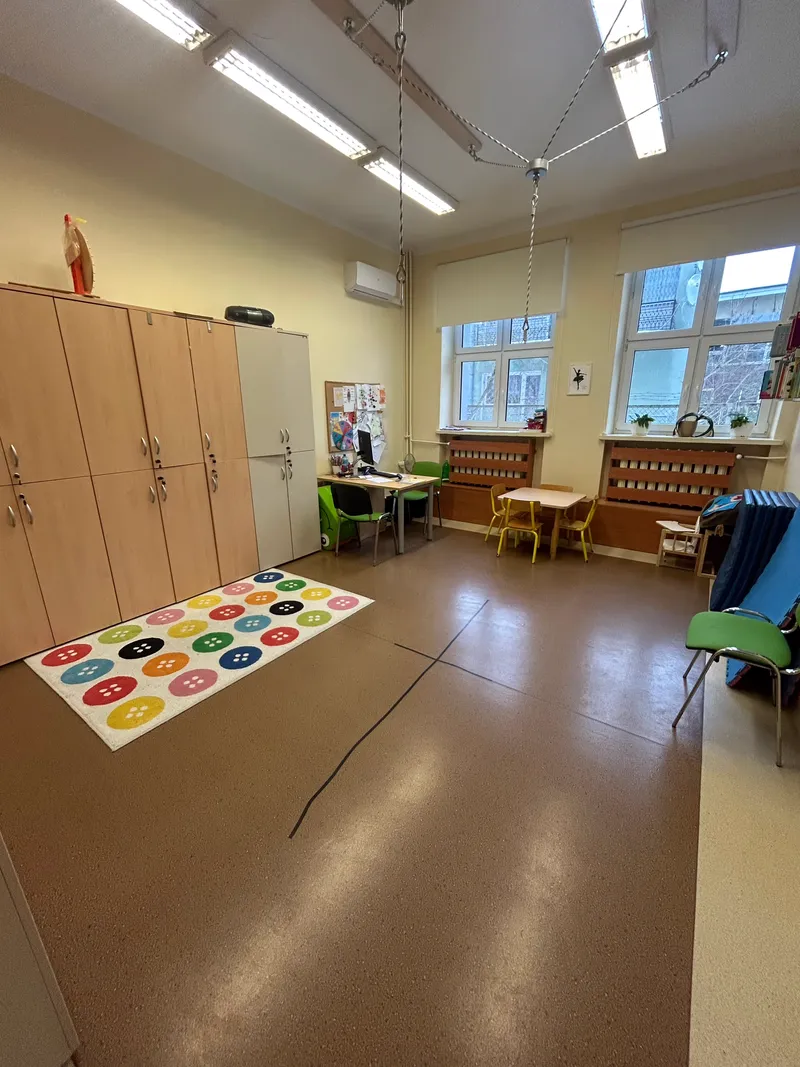
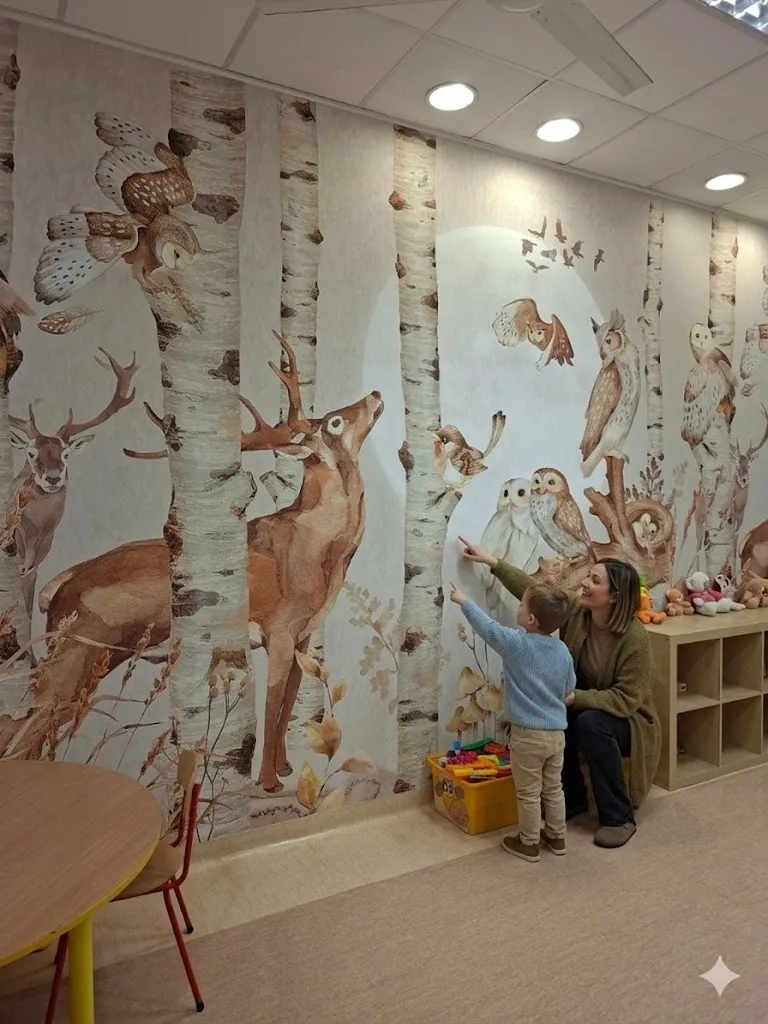
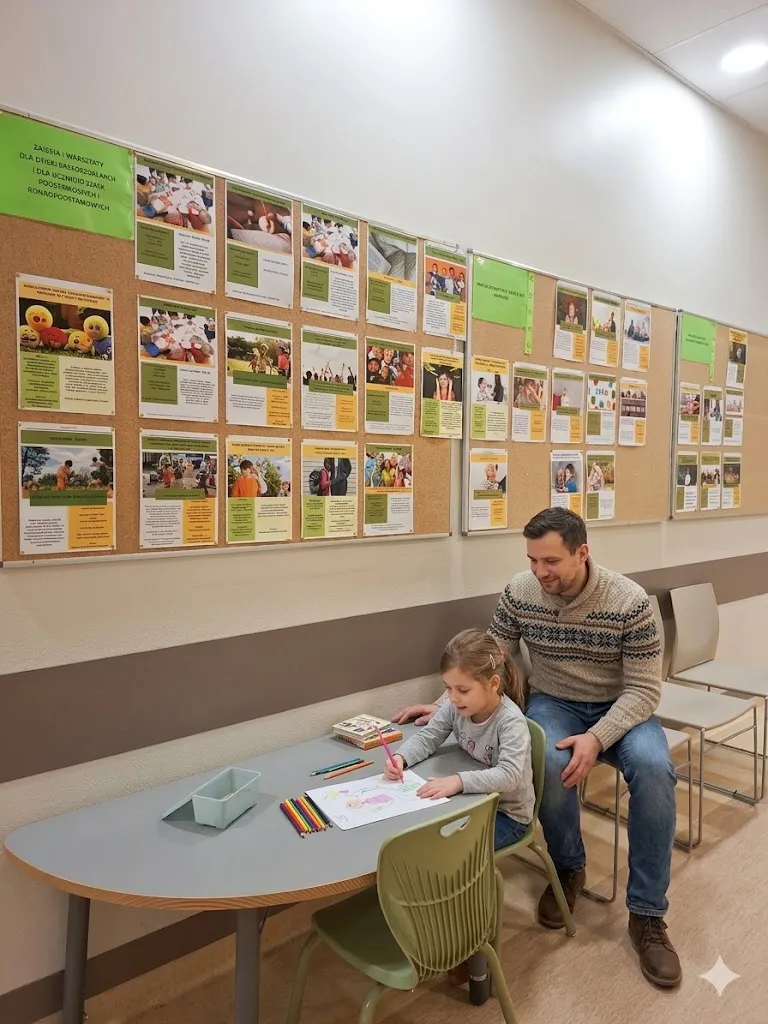
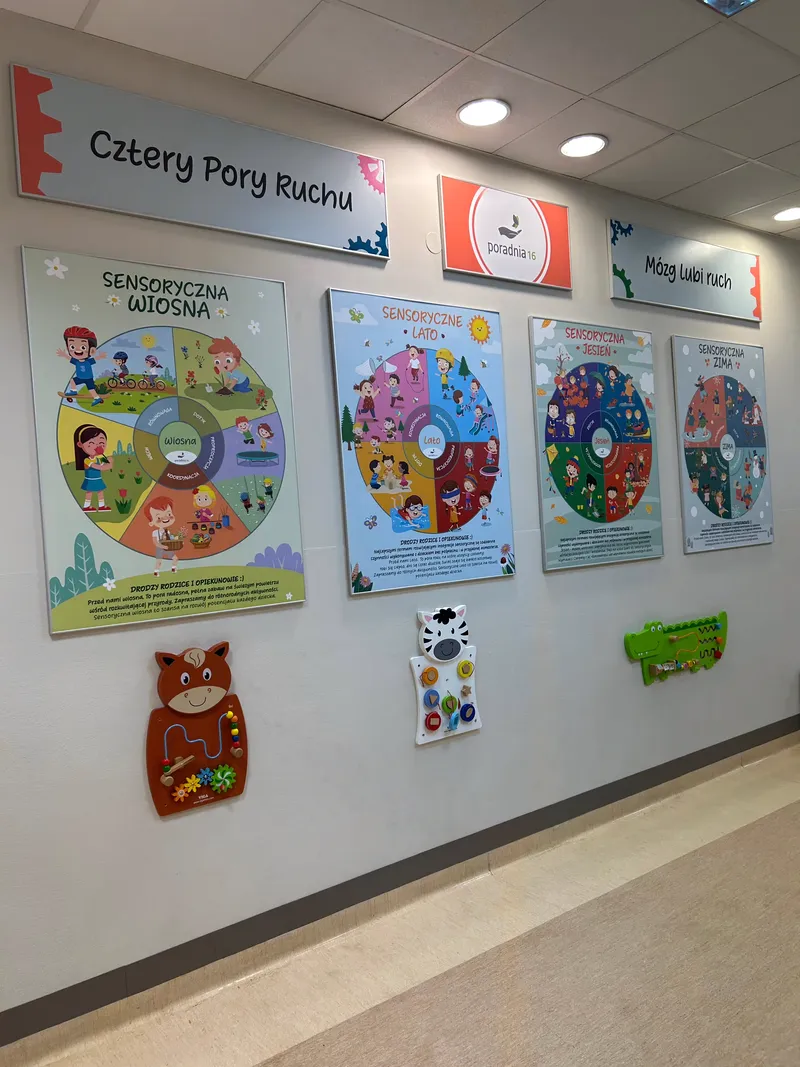
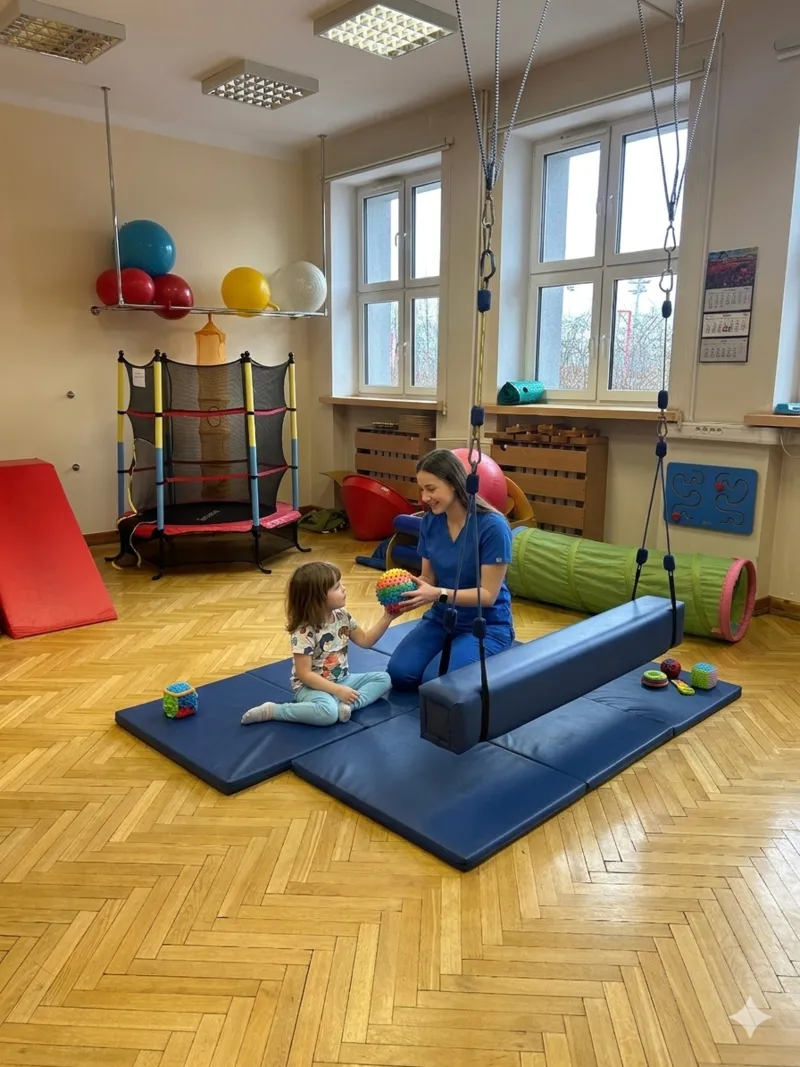
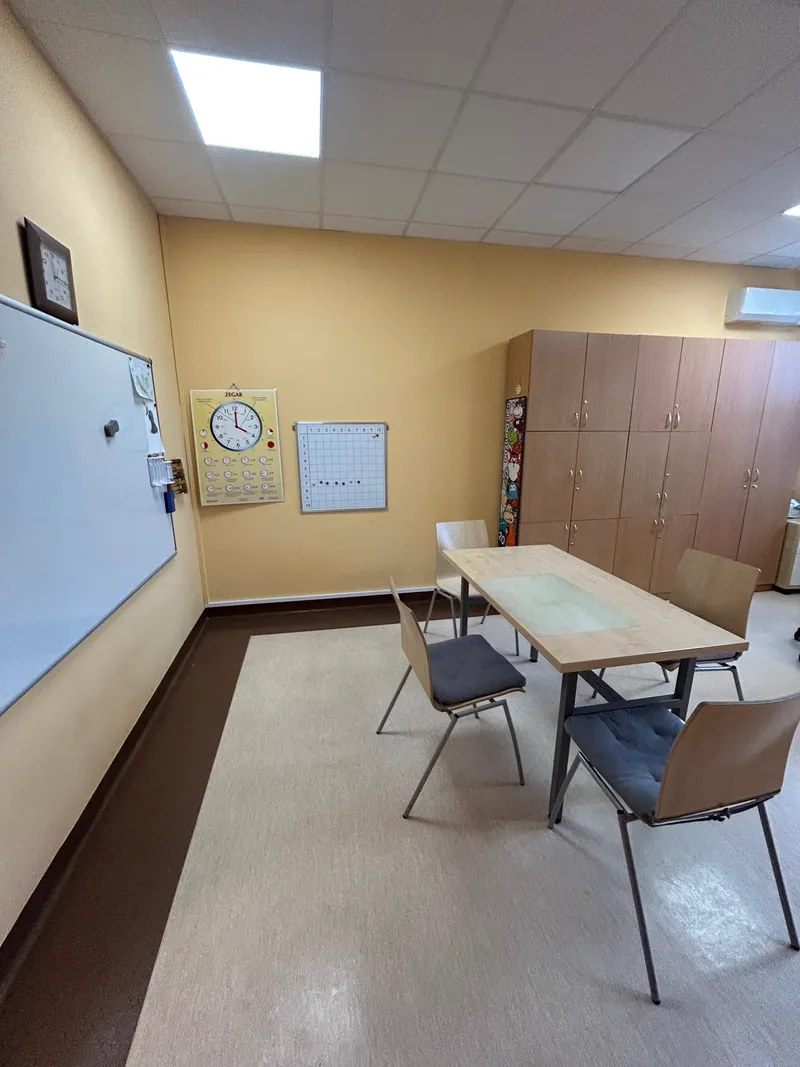
See what our consulting and therapy rooms look like.

News
What's new at the Centre? Here you will find information about upcoming events, new classes and important announcements.